e-mail alert
Sale Mas Paradou
Sale Mas Paradou
Sale Mas Paradou
Sale Mas Paradou
Sale Mas Paradou
Sale Mas Paradou
Sale Mas Paradou
Sale Mas Paradou
Sale Mas Paradou
Sale Mas Paradou
Sale Mas Paradou
Sale Mas Paradou
Sale Mas Paradou
Sale Mas Paradou
Sale Mas Paradou
Sale Mas Paradou
Sale Mas Paradou

Luxury house for sale in the Alpilles
Paradou 13520

€5,900,000

Additional information

Luxury house for sale in the Alpilles

€5,900,000

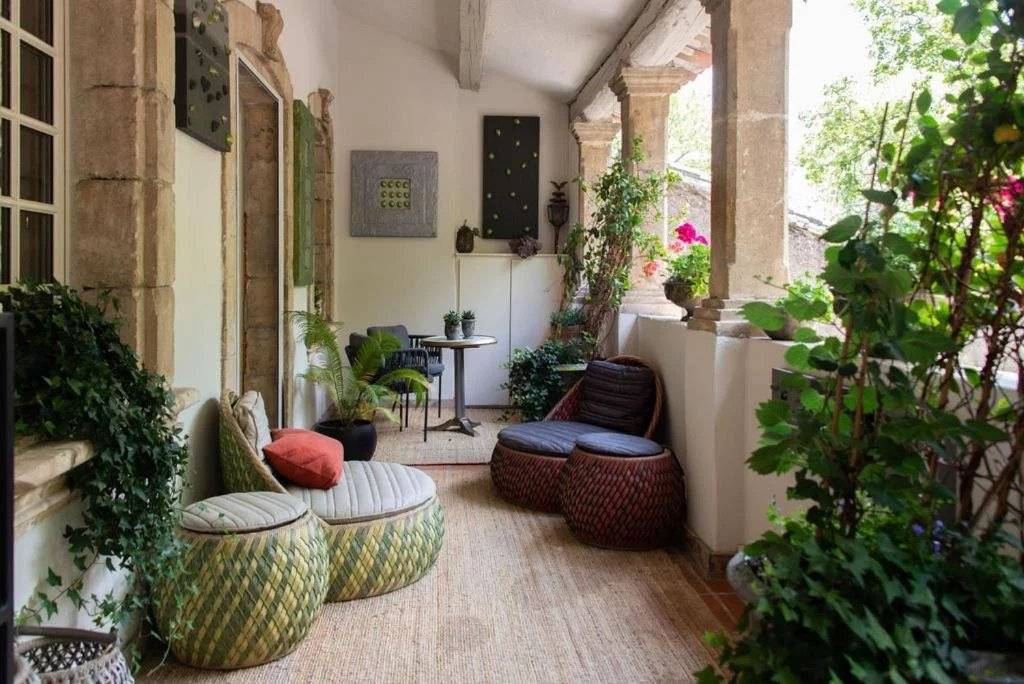
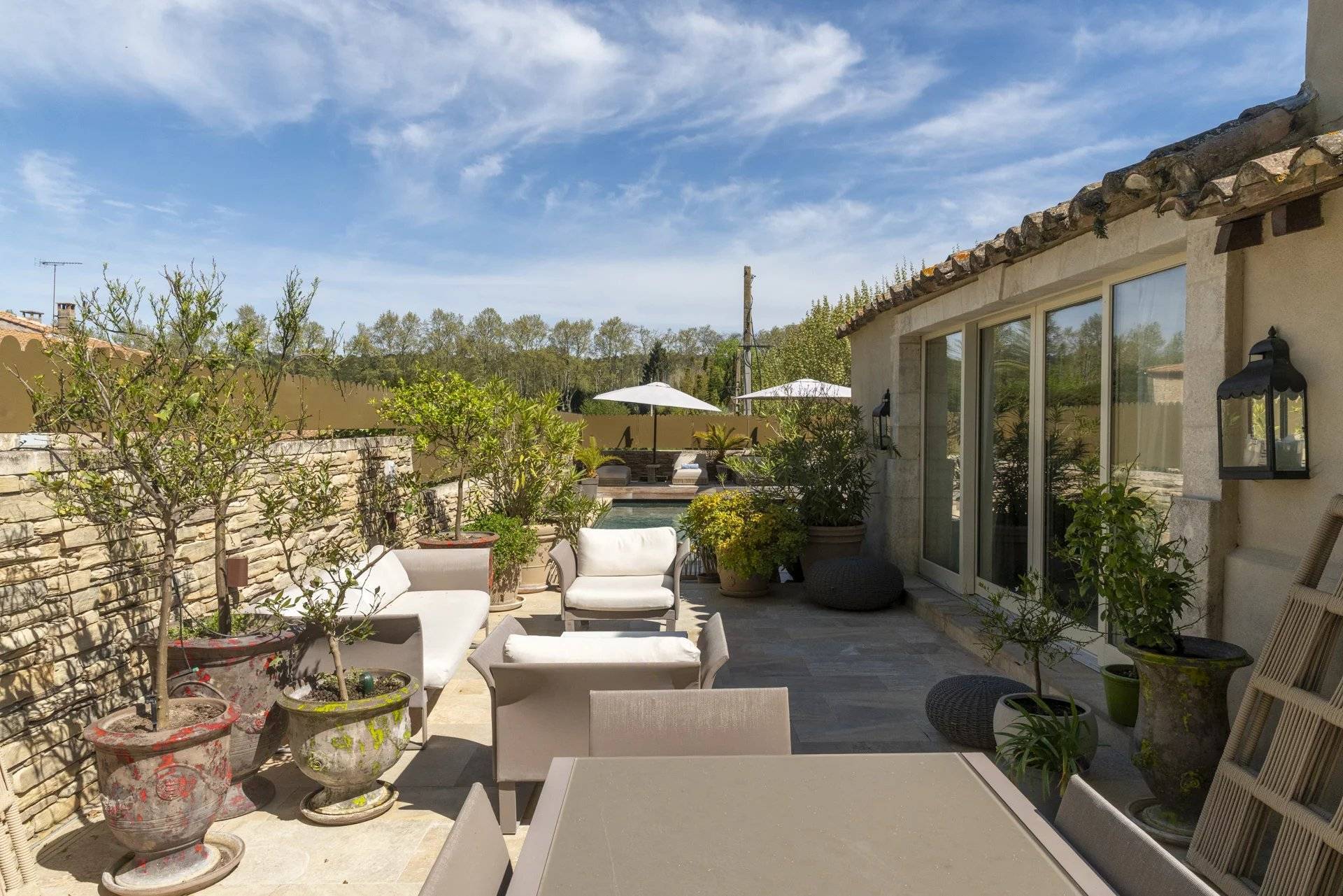
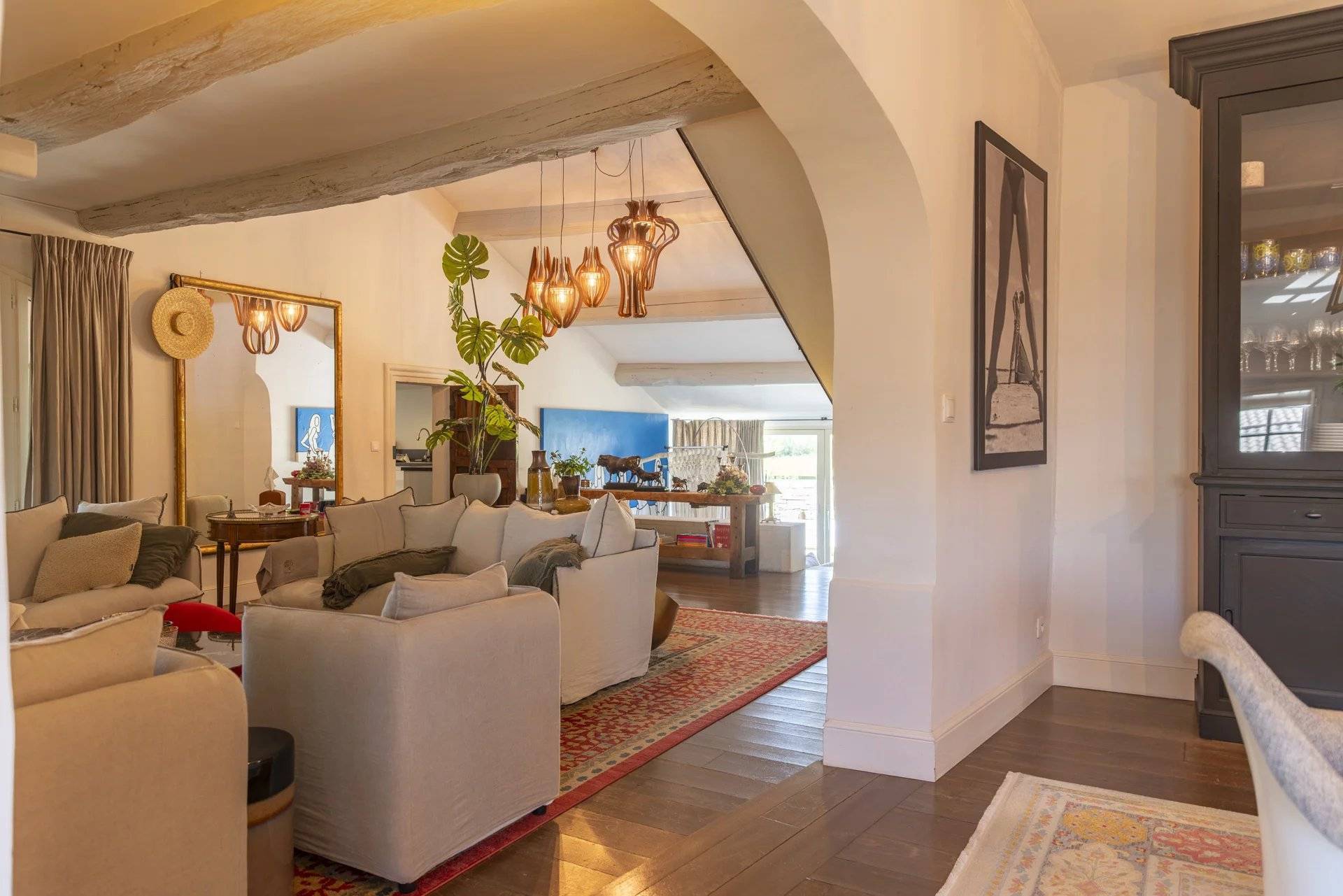
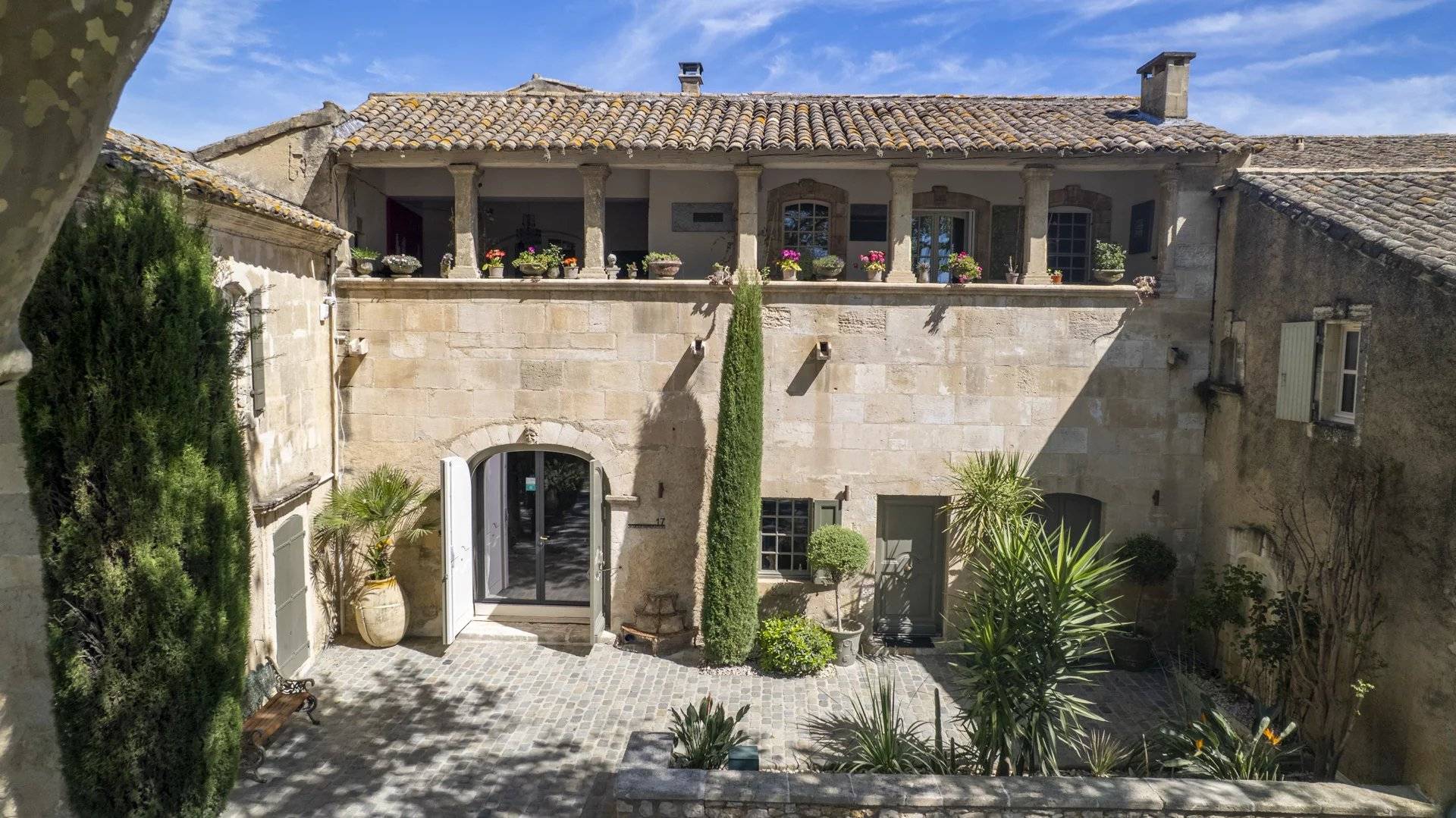
Located in the heart of a charming Provençal village, just a short distance from Maussane-les-Alpilles, this stunning 17th-century stone property captivates with its authenticity and timeless elegance. بالكامل renovated using high-quality materials, it perfectly blends historic character with modern comfort, offering truly exceptional features.
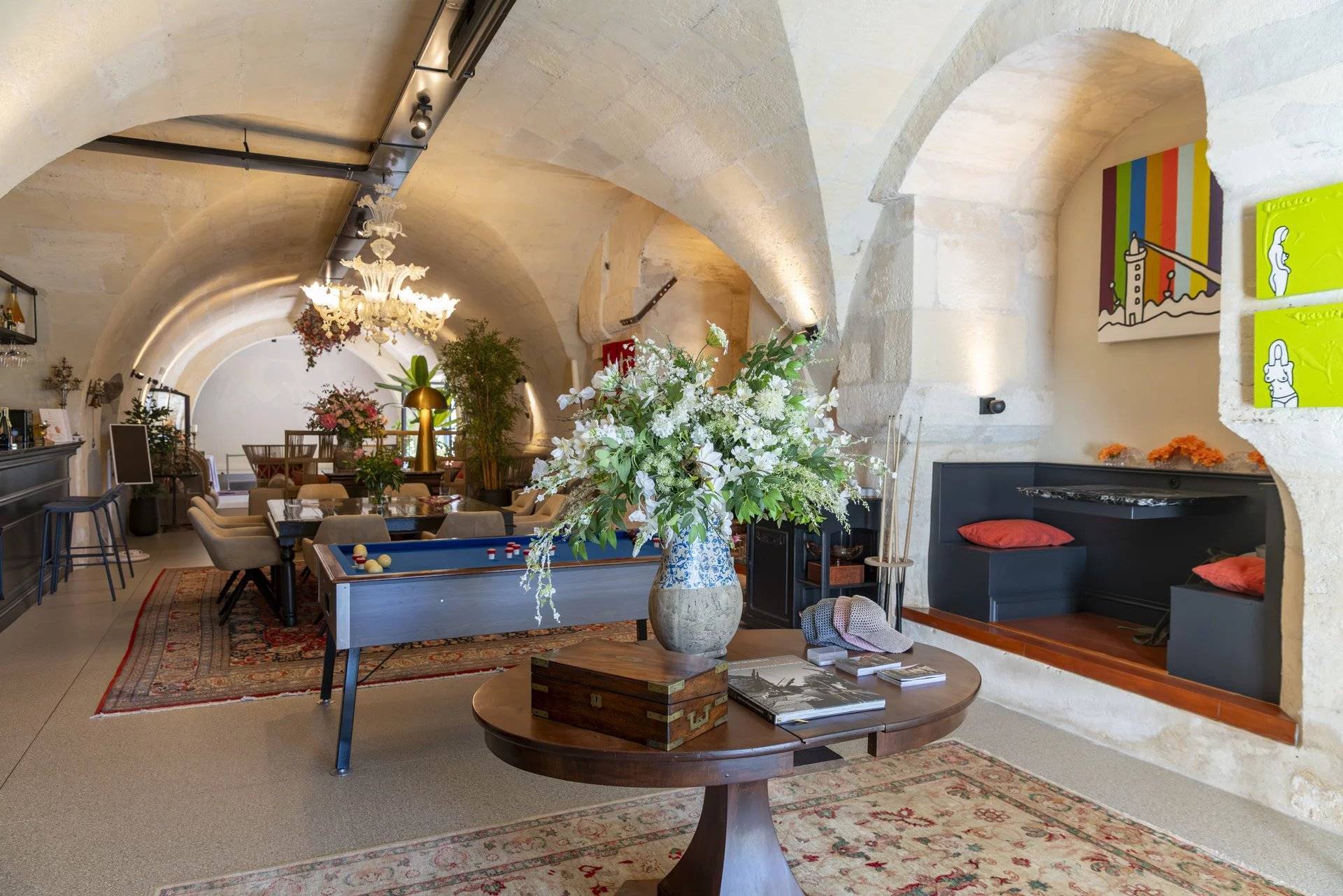
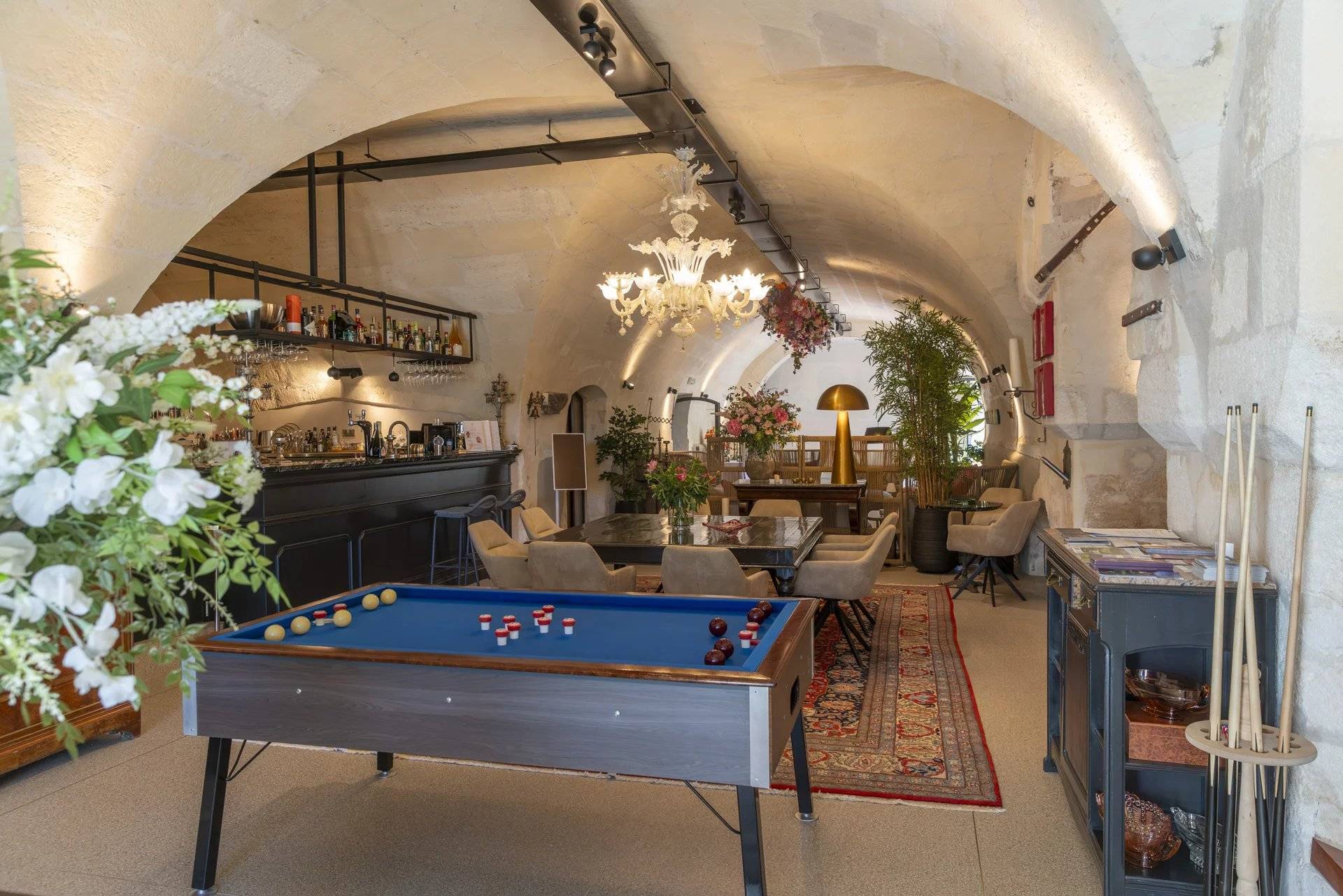
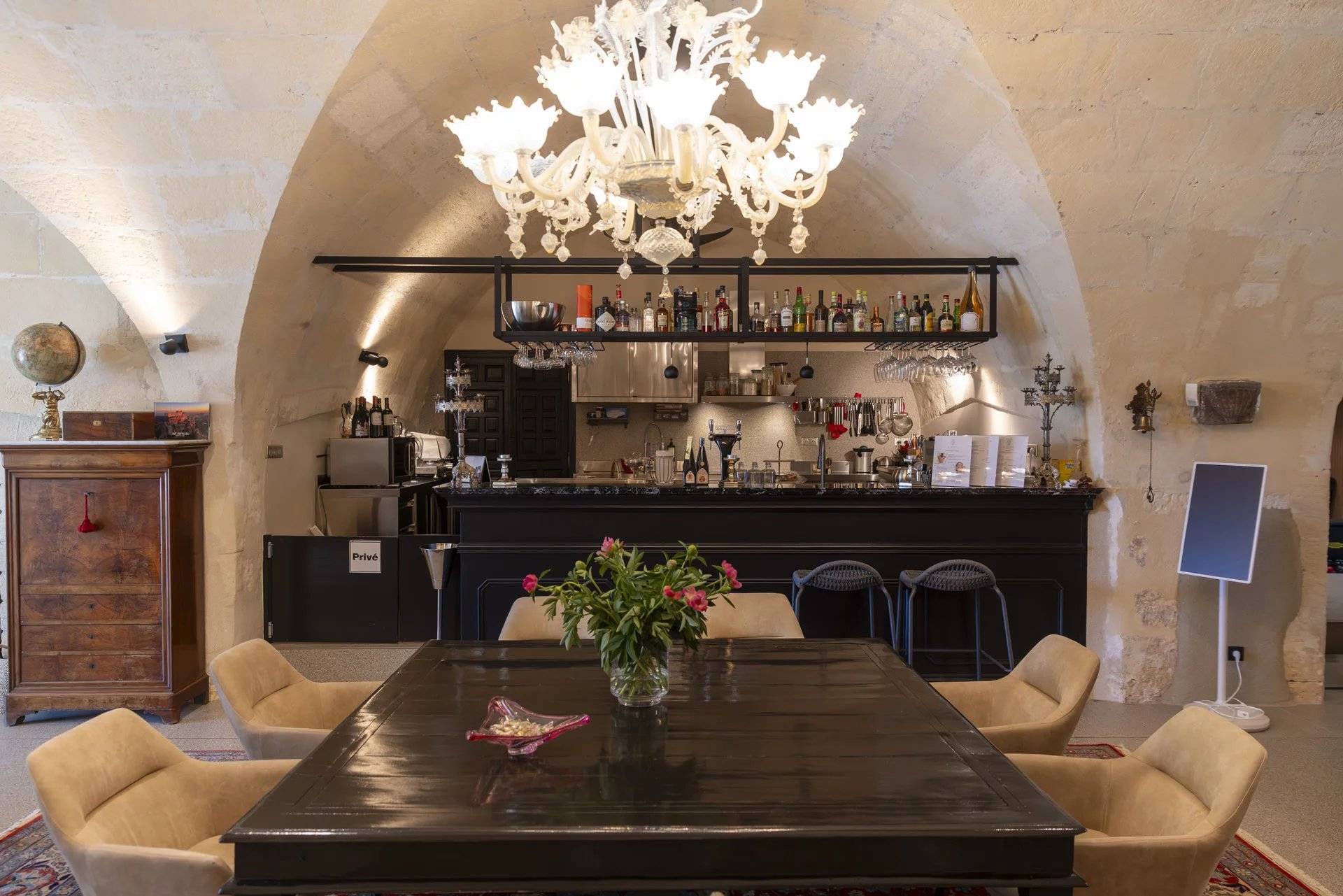
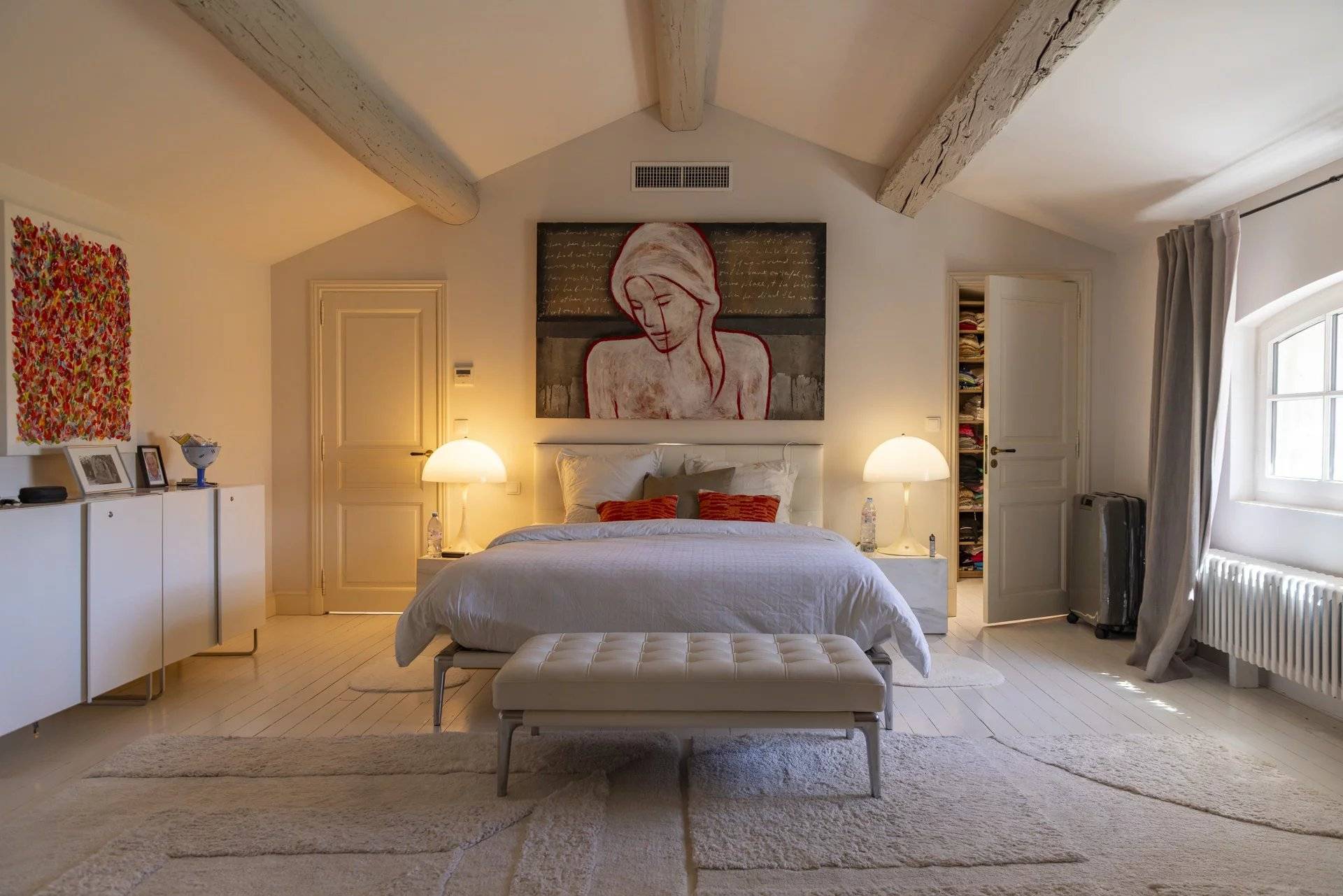
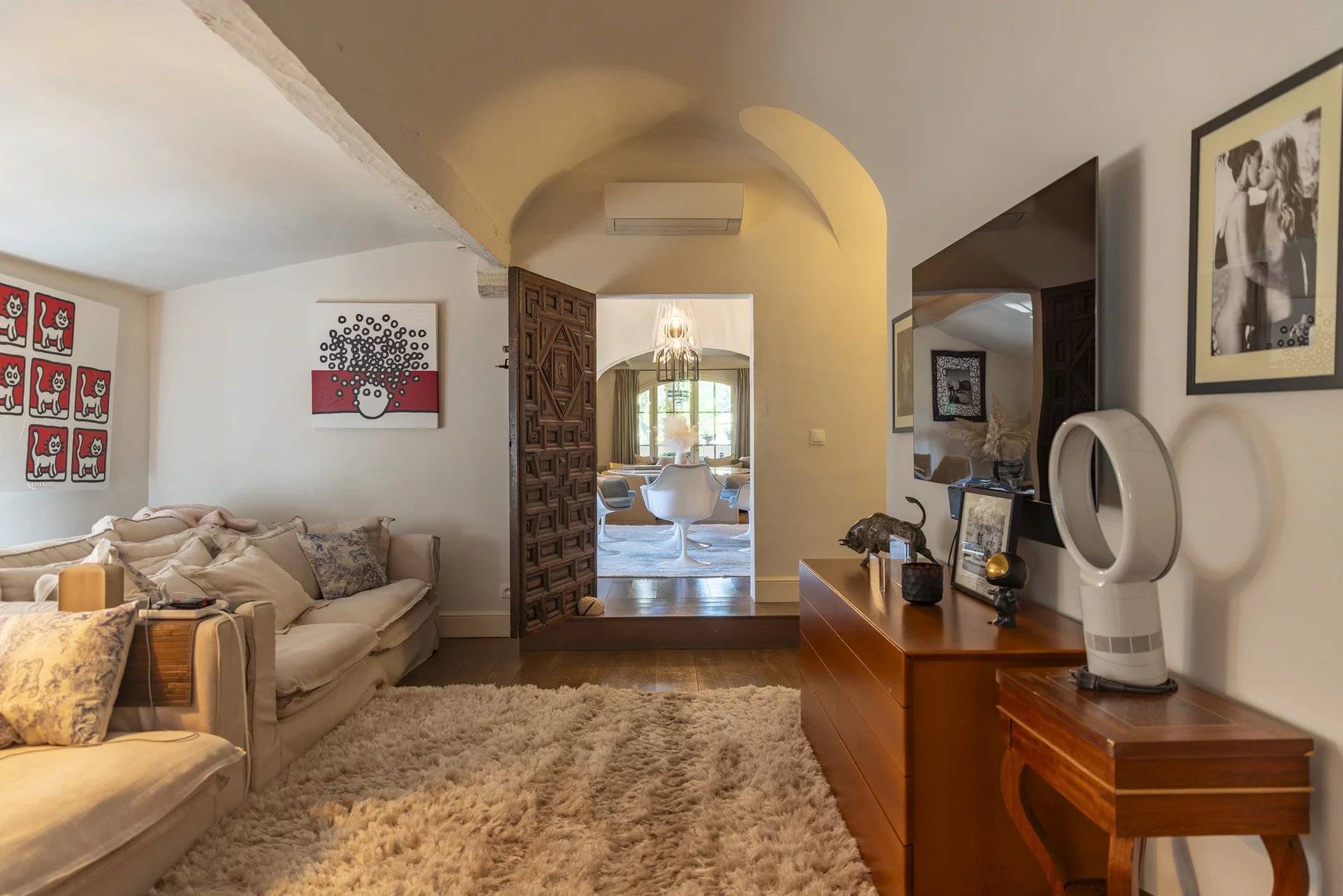
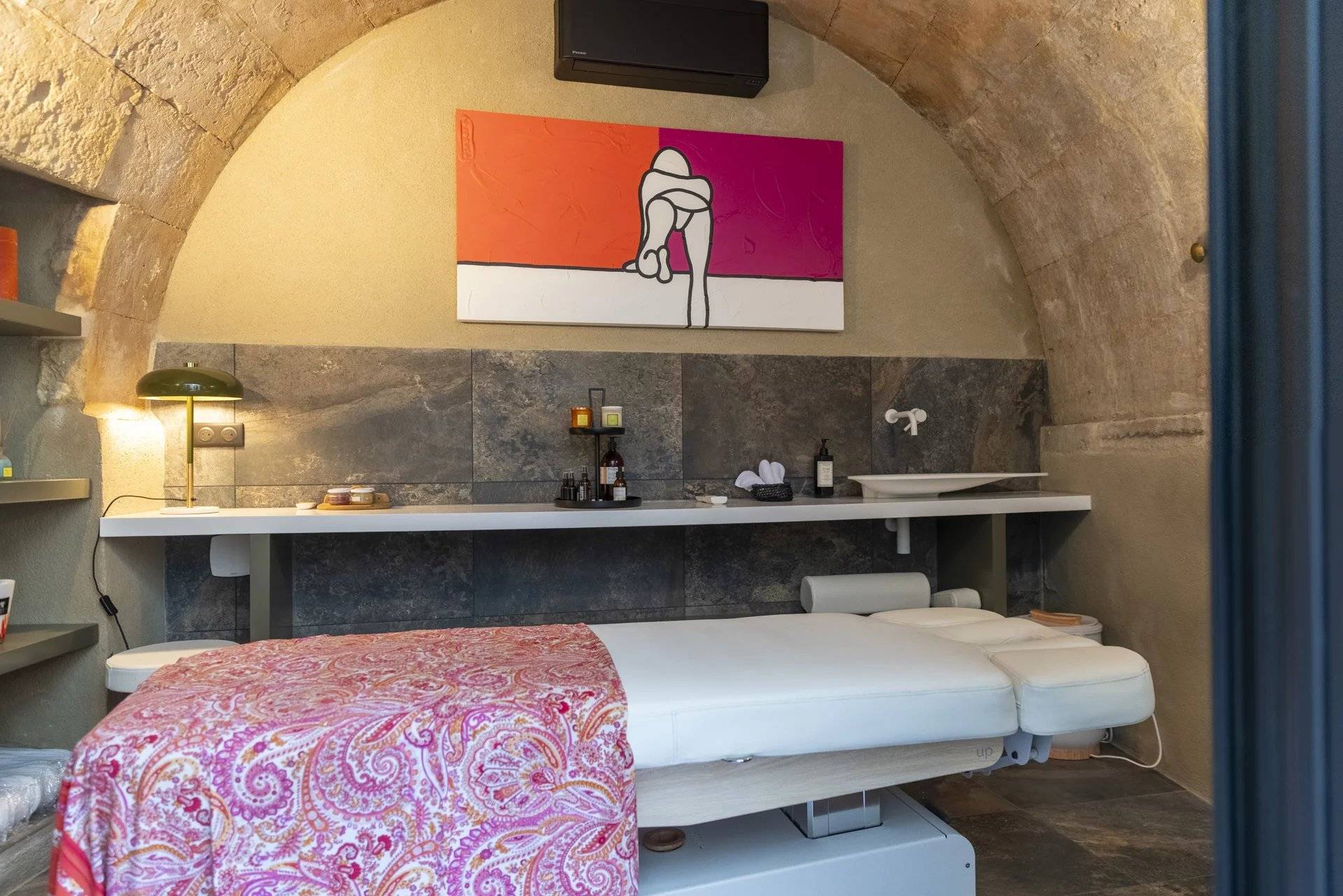
Upon entering, a magnificent vaulted living space reveals the history of the property: once an olive oil mill, it has been transformed into a unique, warm, and inviting reception area. The property comprises three independent apartments as well as three spacious bedrooms, all thoughtfully designed to ensure privacy and independence for each guest.
The layout makes it ideal for hosting family and friends or for developing a high-end guesthouse business, in a privileged Provençal setting.
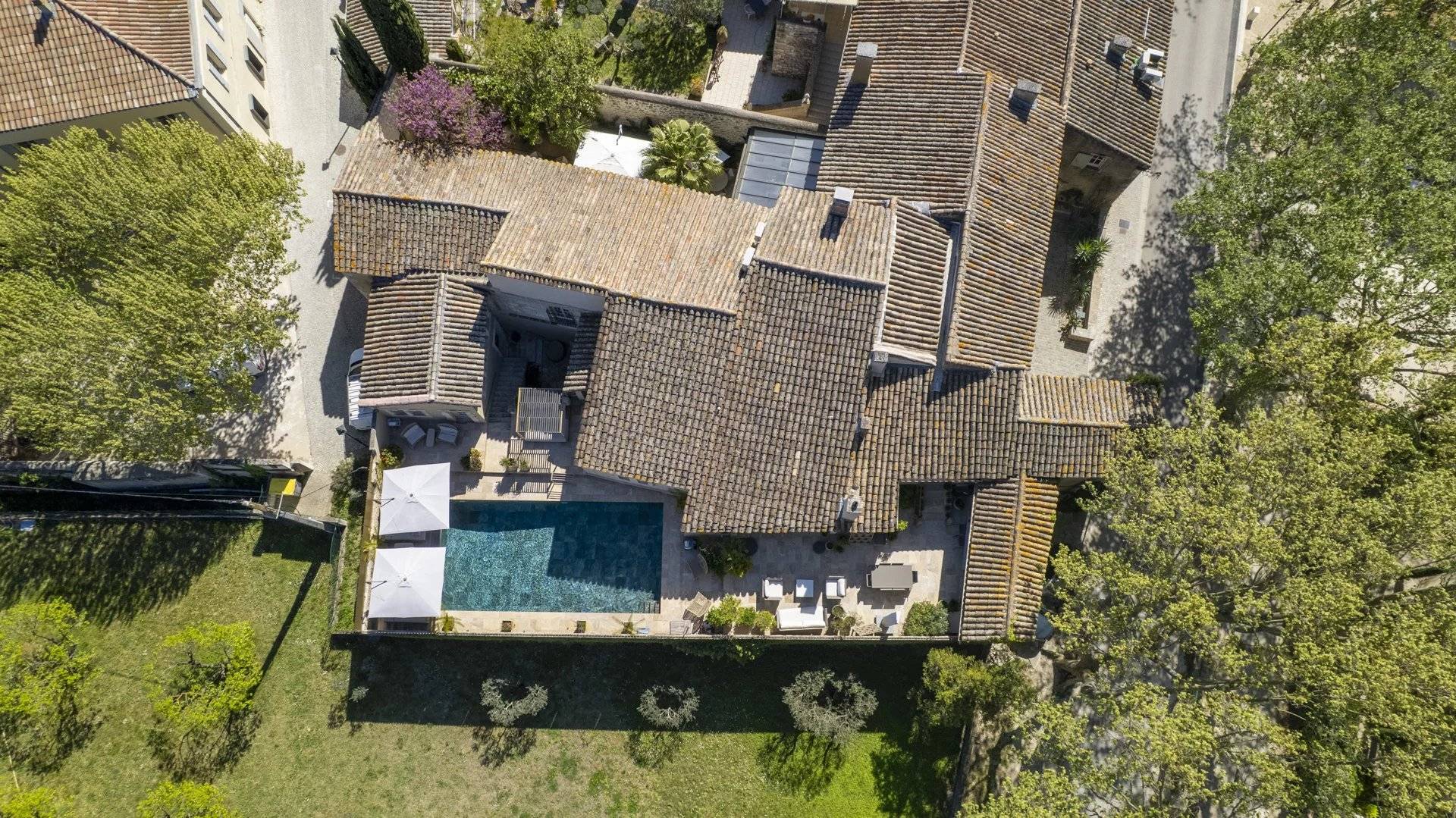
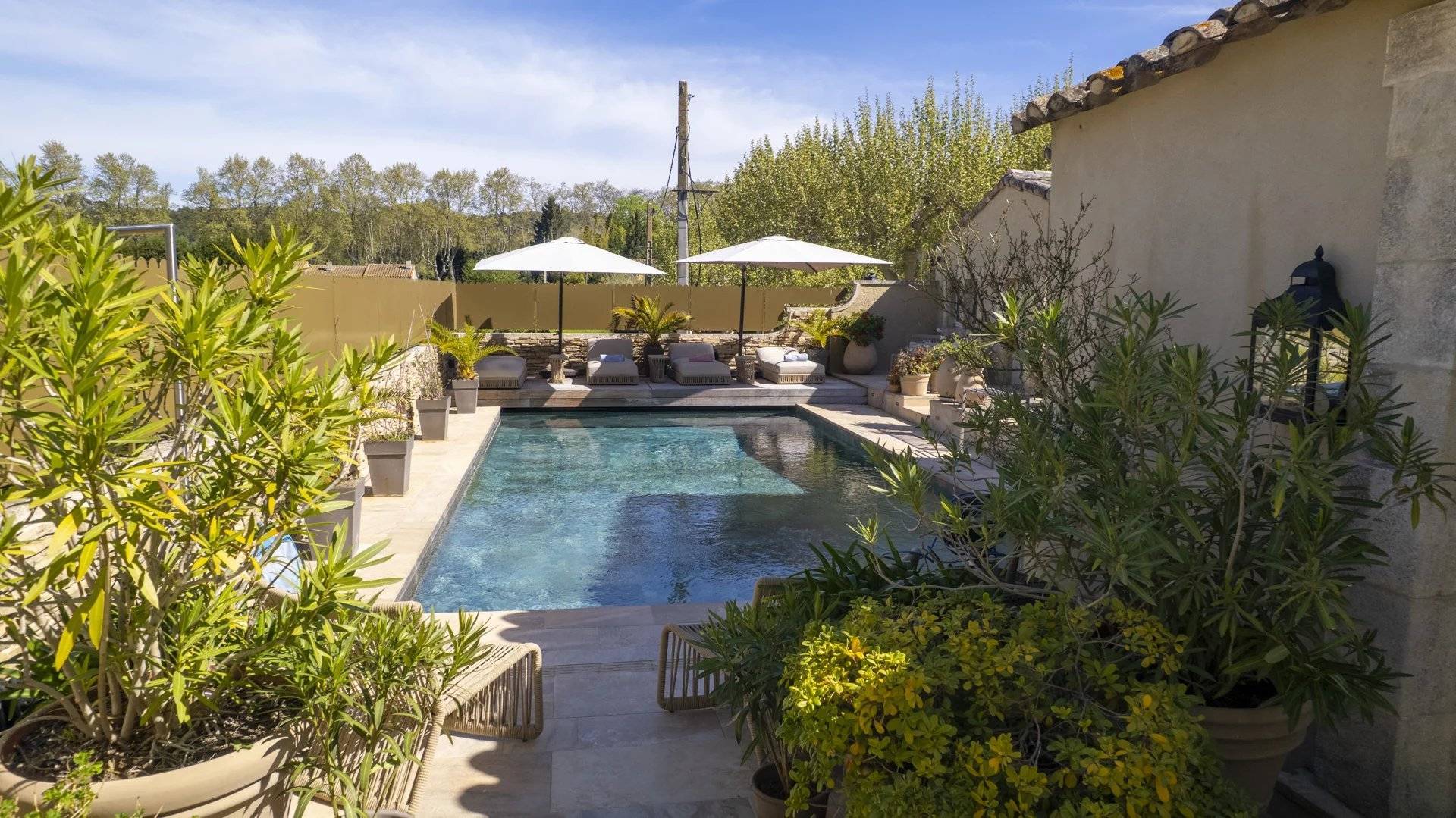
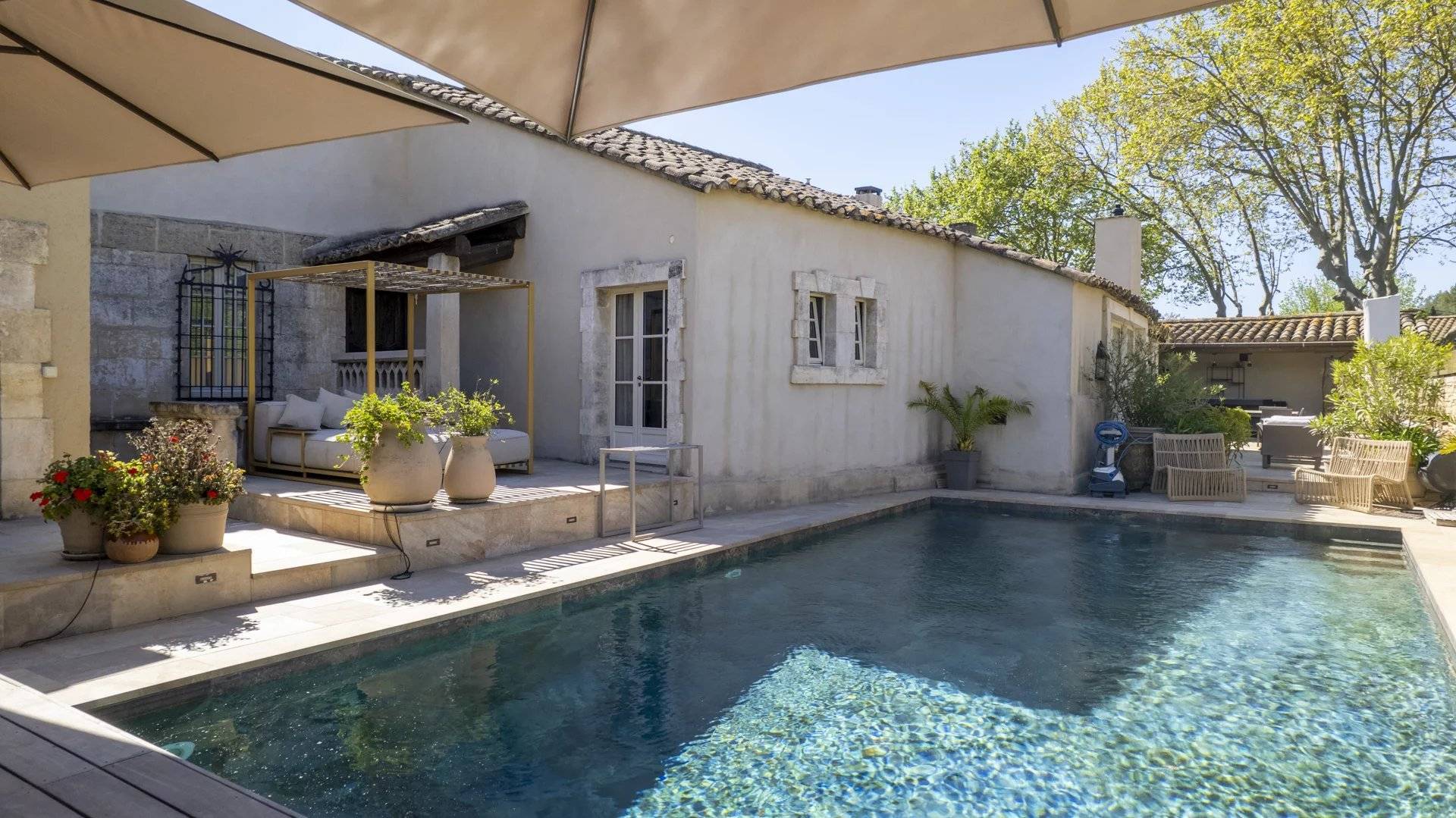
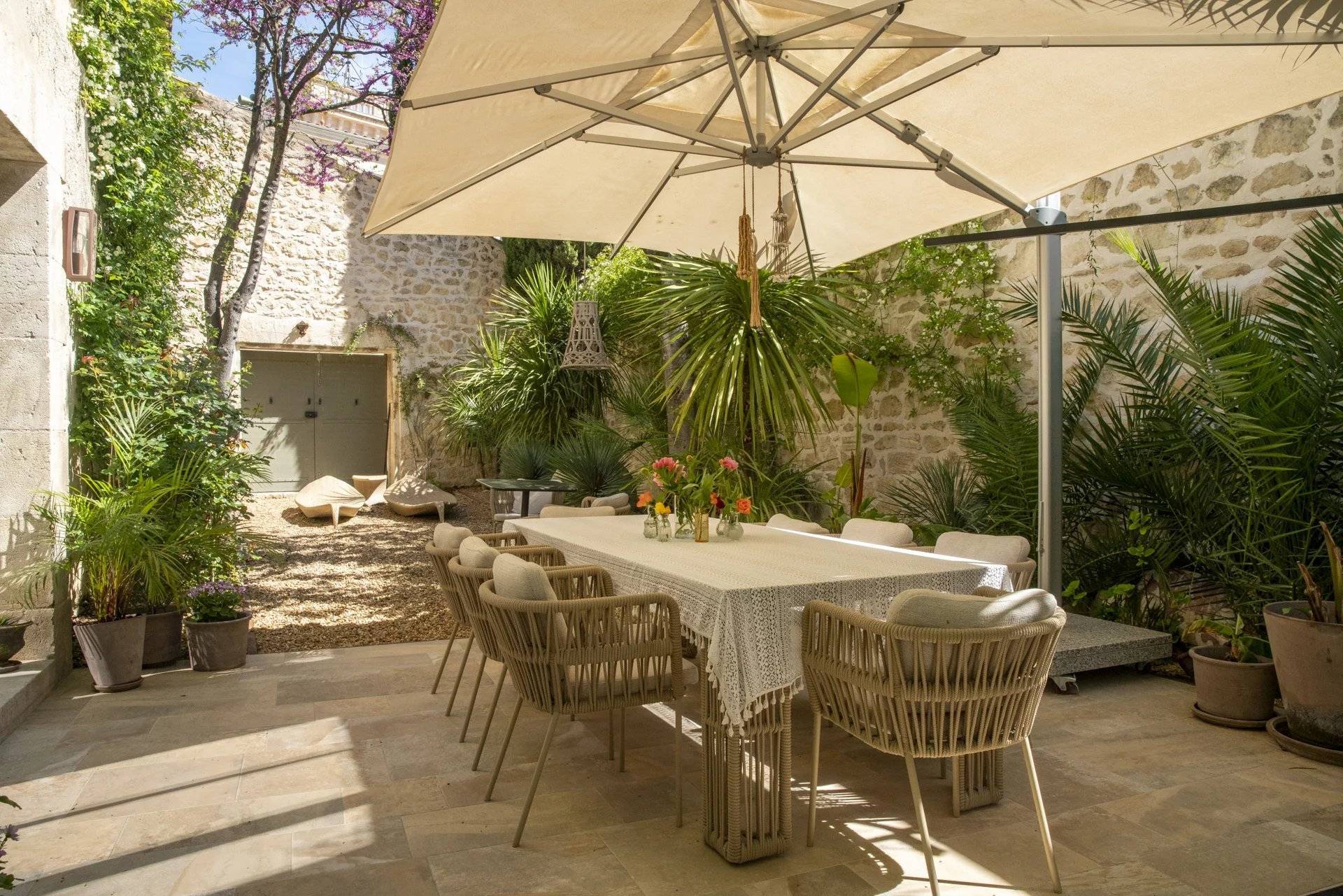
Outside, a charming and private inner courtyard leads to a beautiful 6 x 12 metre swimming pool, completely secluded and perfect for relaxation.
A rare opportunity in Paradou, ideal for those seeking an exceptional property close to the Alpilles.: Diagnostics in progress
Information on the risks to which this property is exposed is available on the Géorisques website:
georisques.gouv.fr

Other visuals

No information available

Areas

  • 1 Double reception room
  • 6 Suites
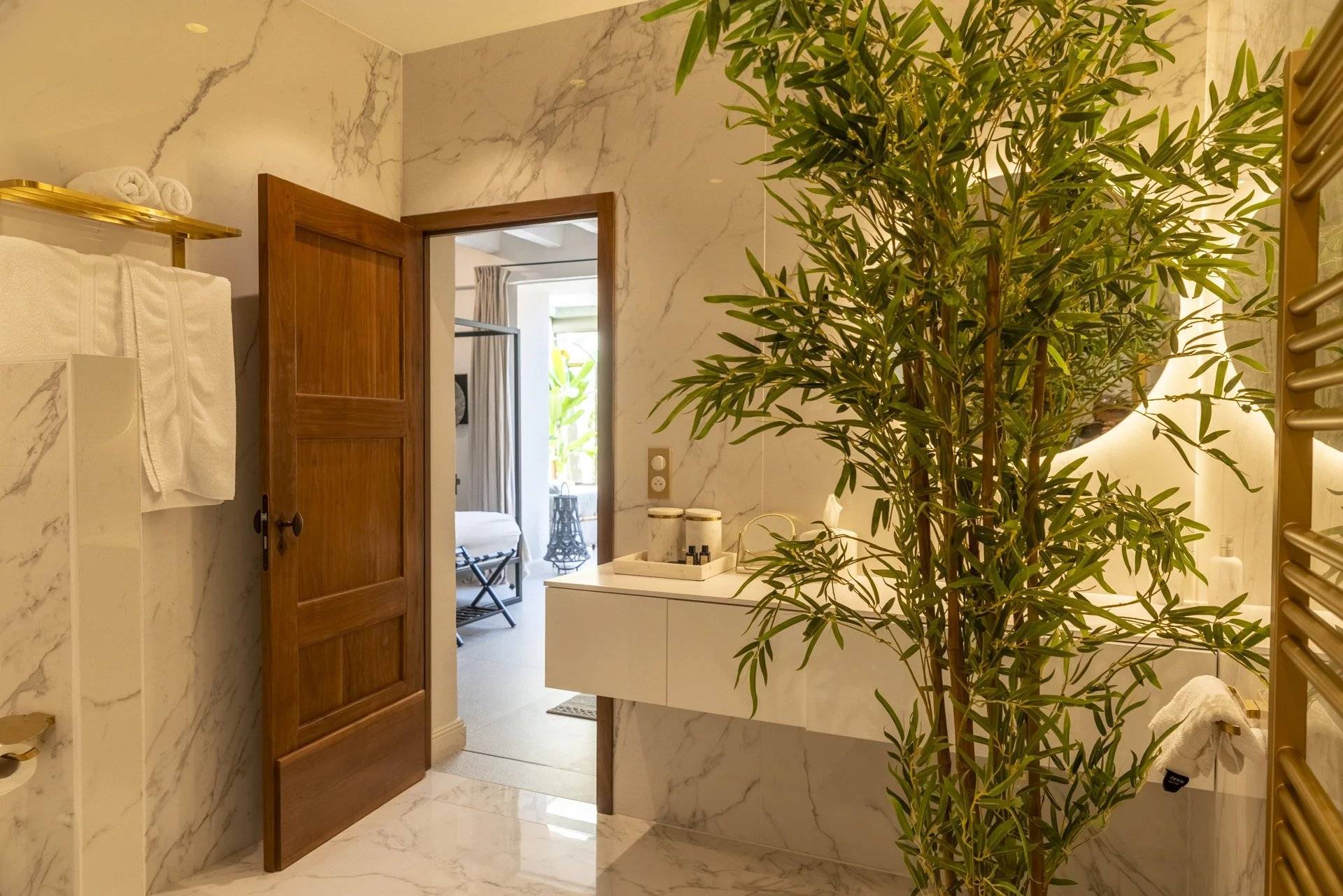
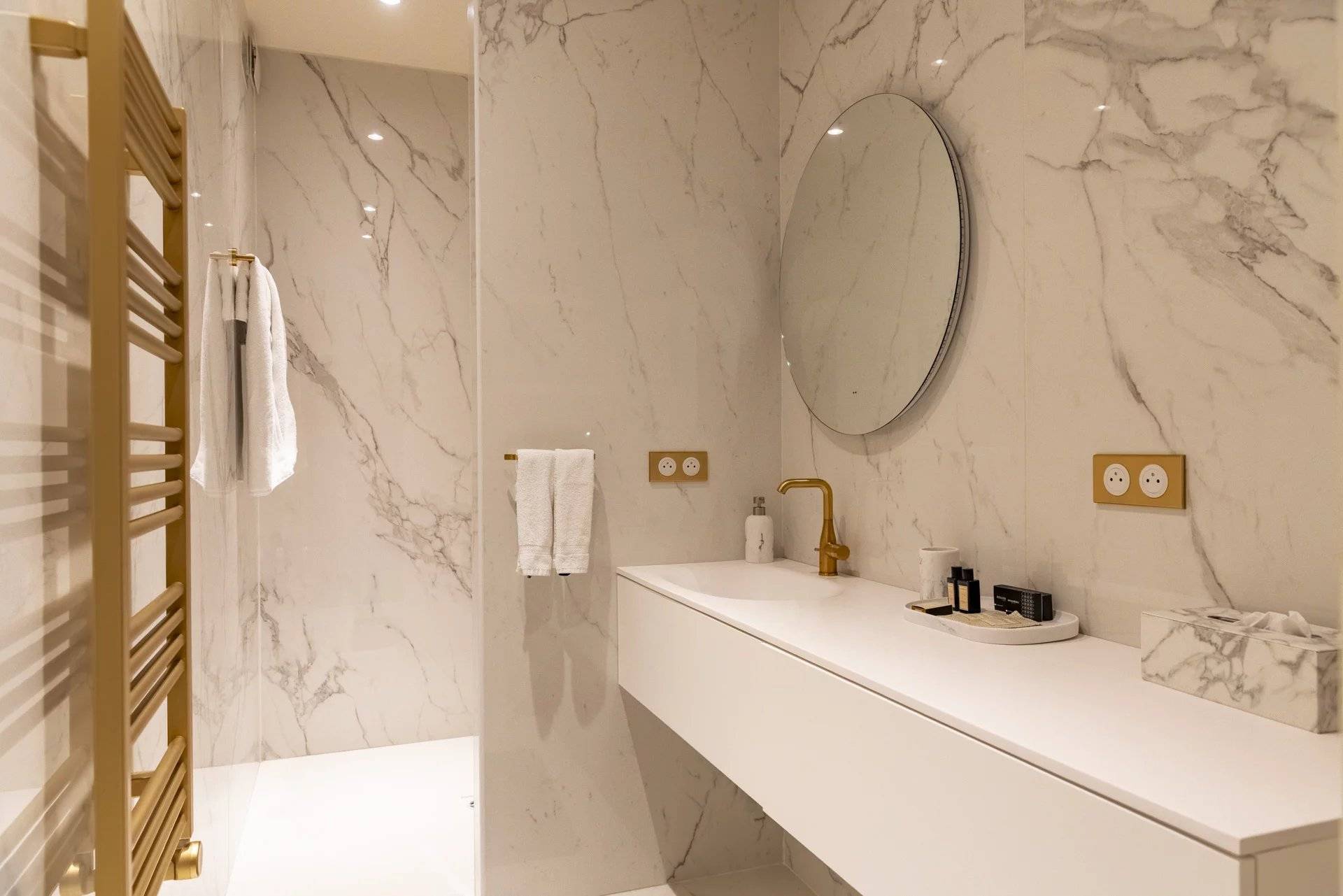
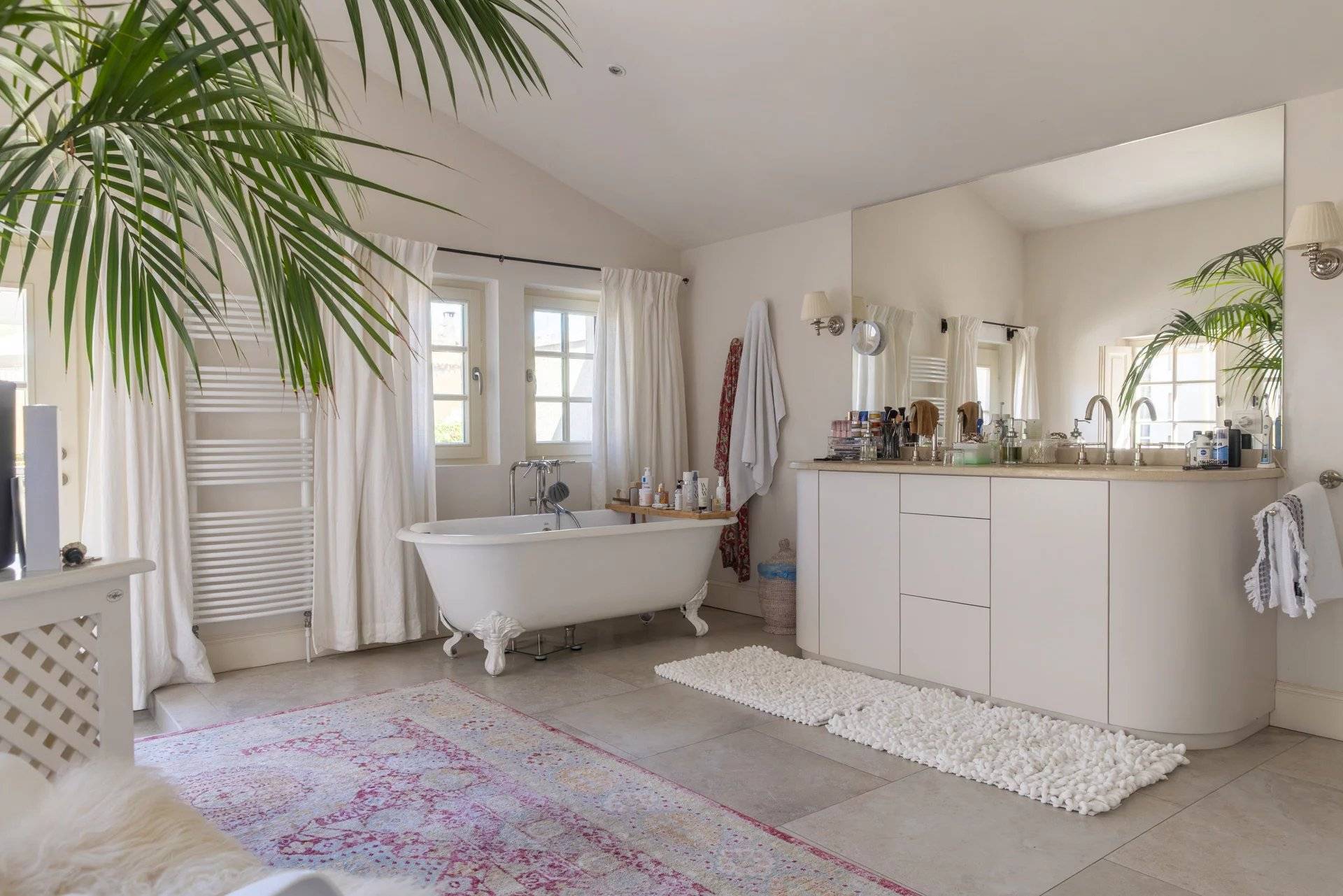
  • 2 Bathrooms
  • 4 Shower rooms
  • 7 Lavatories
  • 2 Equipped kitchens
  • 1 Apartment
  • 1 Exercise room
  • 1 Terrace
  • 1 Garden

Proximities

  • Town centre 1 minute
  • TGV station 40 minutes
  • Doctor
  • Public parking
  • Supermarket 5 minutes
  • Highway 25 minutes
  • Shops 5 minutes
  • Airport 50 minutes

Services

  • Water softener
  • Air-conditioning
  • Electric car terminal
  • Double glazing
  • Aluminum window
  • Flyscreens
  • Outdoor lighting
  • Fire alarm system
  • Lift
  • Alarm system
  • Safe
  • Intercom
  • Security door
  • Videophone
  • Swimming pool
  • Fitness
  • Spa
  • Internet

Legal notice

  • 5,620,000 € Agency fees not included
  • 4.98% ( 280,000 € ) VAT included Agency fees payable by buyer

Energy efficiency

No information available

Summary

  • Reference 85964707
  • Area 662 m²
  • Total area 740 m²
  • Heating device Underfloor, Air-conditioning
  • Heating type Fuel oil, Heat pump
  • Heating access Individual
  • Hot water device Heat pump
  • Hot water access Individual
  • Waste water Main drainage
  • Condition New
  • Floor Ground floor / 1 floor
  • Orientation South, South-west
  • View Unobstructed Hills Sky

How does buying a property in France work?

Purchasing a property in France follows a structured and legally regulated process, which protects both the buyer and the seller. Understanding each step is essential to successfully completing your project, particularly in the luxury real estate segment in Provence.

The process generally unfolds in several key phases:

  1. Defining your project: First and foremost, you should clarify your search criteria (location, size, budget, type of property) and assess your financing capacity, ideally with the help of a mortgage broker or your bank. For a prestige property, this stage also involves reflecting on the intended use of the property: primary residence, secondary residence, or rental investment.
  2. Searching for the property: Once the framework is established, the active search begins. Working with a specialist agency such as Prior Immobilier gives you access to prestige properties that are sometimes sold off-market, meaning they are not advertised to the general public.
  3. Viewing and negotiating: After selecting a property, you visit it and then submit a purchase offer. This constitutes a moral commitment but carries no legally binding value until a formal deed is signed. You may withdraw at any time.
  4. Signing the preliminary contract (compromis or promesse de vente): This document is binding on both parties. The buyer then has a statutory 10-day cooling-off period. Suspensive conditions (such as obtaining financing) are generally included when purchasing with a bank loan, in order to protect the buyer.
  5. Obtaining financing: If you are financing the property through a loan, your bank has a statutory period within which to provide you with a formal loan offer. Once accepted, a mandatory further 10-day period must elapse before you can sign it.
  6. Signing the deed of sale (acte authentique) before a notary: It is the notaries who authenticate the transaction and carry out the transfer of ownership. Notary fees, which include transfer taxes and professional fees, generally amount to between 7 and 8% of the purchase price for an existing property. The notary then hands over the keys to the buyer.

For an exceptional property, the total duration of the process generally spans between 3 and 6 months depending on the complexity of the file. Being accompanied by experienced professionals — a prestige real estate agency, notary, and tax advisor — is strongly recommended to secure each step of the transaction.

Why use a specialist luxury real estate agency?

Private sales account for only a minority of real estate transactions in France, and this proportion is even lower in the luxury segment. The reasons are numerous and relate as much to transaction security as to the indispensable expertise required by this highly specific market.

Working with a specialist agency such as Prior Immobilier offers several key advantages:

  1. Access to off-market properties: a significant portion of prestige properties in Provence are never listed on mainstream property portals. They circulate exclusively within specialist agency networks, which maintain a base of qualified buyers and sellers. Without an agency, you miss out on the majority of opportunities.
  2. In-depth knowledge of the local market: luxury property prices vary considerably from one neighbourhood to another, from one village to another, and beyond location, a prestige property is often a one-of-a-kind asset. A specialist agent knows the true market values, trends, up-and-coming areas and pitfalls to avoid. This expertise is irreplaceable when it comes to buying at the right price.
  3. Tailored support: a prestige purchase is rarely a straightforward process. Every project is unique and requires personalised guidance, from defining your criteria through to signing at the notary's office. The agency guides you at every stage and coordinates the various parties involved — notaries, but also architects, craftspeople and tax advisors if needed.
  4. Legal security of the transaction: estate agents operate under a regulated profession governed by the Hoguet Act. They hold a professional licence, carry professional liability insurance and must have a mandate to act. This strict regulatory framework guarantees the security of the transaction for both parties.
  5. An international network of qualified clients: buyers of prestige properties in Provence often come from other regions of France or from abroad. A well-established agency has an international network that allows it to reach this buyer profile, which is particularly valuable for sellers.
  6. A reliable valuation: correctly valuing a prestige property is a delicate exercise requiring mastery of very specific criteria (views, features, history of the property, potential for appreciation). A specialist agency provides you with a realistic valuation that avoids pricing errors, whether too high or too low.

In summary, working with a specialist luxury real estate agency means choosing efficiency, security and access to the best opportunities on the market.

What is an exceptional property?

The notion of an exceptional property goes far beyond the simple criterion of price. A prestige property is distinguished by the combination of several characteristics that give it a unique value and rarity on the market.

  1. An extraordinary location: a prestige property is above all defined by its setting. Whether it is a mas overlooking the Alpilles, a villa facing the Mediterranean, a bastide or a private mansion in the heart of Aix-en-Provence, the location is irreplaceable and forms the foundation of its value. It is set away from any nuisances while benefiting from optimal accessibility.
  2. Remarkable architecture: exceptional properties are distinguished by the quality and coherence of their architecture. In Provence, this can mean exposed cut stone, vaulted ceilings, tastefully restored mas, or conversely a signed contemporary design harmoniously integrated into the landscape. The architectural identity is strong and contributes to the story of the place.
  3. High-end features: infinity pool, spa, climate-controlled wine cellar, home cinema, advanced home automation, landscaped grounds, security… The amenities of an exceptional property go far beyond standard comfort. Every detail is designed to offer the highest quality of life and an impeccable level of comfort.
  4. A unique character: what gives an exceptional property its value is what cannot be found anywhere else. A breathtaking panorama over the sea, the Alpilles or the Luberon, a singular history, bespoke materials, remarkable landscaped grounds… These elements of uniqueness are at the heart of the property's appeal.
  5. Space and a sense of openness: whether in terms of living space, interior volumes or generous outdoor areas, an exceptional property always conveys a sense of grandeur and openness to its surroundings. Unobstructed views and carefully tended exterior spaces are major assets in this market segment.

In Provence, exceptional properties also benefit from the richness of the region's natural and cultural heritage, which adds a further dimension to their value. A bastide in the heart of the Luberon or a villa overlooking the calanques does not merely have walls: they embody a Mediterranean art de vivre that is unique in the world.

Why is buying in the south of France a safe investment?

Despite the cyclical fluctuations that have affected the French property market in recent years, the luxury real estate market in the south of France has demonstrated remarkable resilience. Several structural factors explain this strength.

  1. A market supported by consistently strong international demand: Provence and the wider PACA region attract buyers from around the world. Whether northern Europeans seeking sunshine, Parisians wishing to relocate to the regions, or foreign investors drawn by the prestige of the area, demand remains undiminished. This diversity of buyers protects the market from local shocks.
  2. An exceptional lifestyle that never goes out of fashion: the Mediterranean climate, the quality of the gastronomy, the cultural richness and the beauty of the Provençal landscapes are enduring assets. The south of France remains one of the most desirable regions in Europe in which to live or spend time, sustaining strong demand and stable prices.
  3. The Provence–Alpes–Côte d'Azur region benefits from excellent international connectivity thanks to the airports of Nice and Marseille, offering numerous direct routes to major European and world capitals. It is easily accessible from Paris and other major cities via the TGV high-speed rail network, with journey times that bring the South considerably closer to the rest of the country. The structured motorway network efficiently connects the main coastal cities from Marseille to Nice. Regional trains provide good local mobility, facilitating everyday travel without relying solely on the car. The region offers a wide variety of access points between the coast, cities and hinterland, making travel simple and swift. Maritime ports strengthen its openness to the Mediterranean and provide regular connections with Corsica and neighbouring countries. Major infrastructure projects, such as the modernisation of the rail network, are progressively improving the flow of transport. These investments contribute to reinforcing the attractiveness of the territory and the potential for property appreciation. Urban transport networks are expanding, notably with trams and sustainable mobility solutions. Taken together, these infrastructures offer a balance between accessibility, quality of life and sustainable investment potential.
  4. The rise of remote working as an accelerator: in recent years, the ability to work remotely has further enhanced the appeal of sun-drenched regions. Many executives and self-employed professionals can now settle in Provence while remaining professionally connected, which has broadened the pool of potential buyers.
  5. Marseille, a market in full transformation: with an average price still below that of other major southern cities such as Nice or Cannes, Marseille offers strong potential for appreciation. Large-scale urban projects (Euroméditerranée, Marseille en Grand), improvements to transport infrastructure and the regeneration of numerous neighbourhoods support an upward trajectory over the long term.
  6. High rental potential: the PACA region benefits from a dual rental market — seasonal, driven by summer tourism, and year-round, driven by employment hubs and universities. This dual market offers flexibility to investors wishing to generate additional income.
  7. Prices still competitive compared to the Côte d'Azur: while Monaco, Nice and Cannes display some of the highest prices in Europe, Provence offers prestige properties at comparatively more accessible levels, while delivering a comparable quality of life. This price differential represents a genuine opportunity for discerning investors.

Over the long term, luxury real estate in the south of France retains its value and constitutes an effective hedge against monetary erosion. It is a tangible asset, rooted in an exceptional territory, that weathers economic cycles with proven resilience.

Where should you buy a prestige property in Provence?

Provence offers a mosaic of exceptional territories, each with its own character, landscapes and market dynamics.

  1. The Luberon: emblematic of secret and unspoilt Provence, the Luberon captivates with its perched villages, among the most beautiful in France — Gordes, Roussillon, Ménerbes, Bonnieux and Lourmarin further south — and with the beauty of its landscapes of vineyards, lavender and oak or cedar forests. Prestige real estate here takes the form of stone bastides and restored mas. An investment that combines authentic Provençal character with lasting heritage value.
  2. The Alpilles: the area around Saint-Rémy-de-Provence, Eygalières, and villages such as Maussane-les-Alpilles, Mouriès and Le Paradou is one of the most sought-after and discreet areas in Provence. This landscape of garrigue, olive trees and limestone cliffs is home to a discerning clientele drawn as much by the privacy of the location as by its beauty. Prices are high but reflect a highly selective market where demand regularly exceeds available supply.
  3. Aix-en-Provence: the true capital of the Provençal art de vivre, Aix-en-Provence combines the advantages of a dynamic city (shops, gastronomic restaurants, cultural events, TGV and airport access) with the inimitable charm of its private mansions and character properties on the outskirts. It is a stable, low-risk market, particularly well suited to those seeking a secure heritage investment.
  4. Marseille: often underestimated, Marseille is nonetheless a gem for luxury property investment. Its hills offer exceptional panoramic views over the Mediterranean and Notre-Dame-de-la-Garde, while neighbourhoods such as Endoume, Roucas-Blanc and the Corniche feature villas and architect-designed houses at prices that remain reasonable given their location. The potential for appreciation here is real and significant.
  5. The Var coastline: from Saint-Cyr-sur-Mer to Toulon, taking in Bandol and Sanary-sur-Mer, this unspoilt stretch of coastline offers properties with outstanding sea views at prices that are still competitive compared to those found on the Côte d'Azur. An excellent prestige-to-price ratio for properties benefiting from exceptional sunshine.
  6. The perched Var villages: La Cadière-d'Azur, Le Castellet and the villages around the Sainte-Baume massif offer panoramas combining sea views and unspoilt nature. Some properties here include vineyards leased to local wine estates, adding an agricultural and heritage dimension to the investment.
  7. Cassis and the Calanques: positioned between Marseille and La Ciotat, Cassis is one of the most coveted coastal villages in Provence. Its location on the edge of the Calanques national park, its picturesque harbour and its renowned wines make it an exceptional place where the supply of prestige properties remains scarce and prices firmly supported.

Why are not all properties compliant in the south of France?

This is one of the most important questions to ask when buying a property in Provence. Non-compliance in certain properties is a common phenomenon in the south of France, explained by specific historical, cultural and regulatory reasons.

What does compliance mean in real estate? In real estate, compliance refers to the correspondence between a property and the administrative authorisations that permitted its construction or transformation. A property is compliant when all of its floor space, fittings and structures have been subject to the required permits and mandatory regulatory declarations. Non-compliance can relate to a veranda, an extension, a converted basement, a swimming pool or even an outbuilding constructed without authorisation.

Why is the phenomenon so common in Provence?

  1. Constructions carried out before building permits became widespread: for decades, particularly in rural areas, houses were built, extended or modified without any administrative formality. Before the 1943 law establishing the building permit, and even more so before its widespread application, it was common practice to extend one's home according to need without declaring the works.
  2. Successive family extensions: in Provence, properties have often been passed down from generation to generation. With each generation, rooms were added, terraces covered over, outbuildings converted into living spaces, without anyone thinking to regularise the situation. These successive changes have created significant discrepancies between the legal floor area and the actual floor area.
  3. Isolation and limited oversight: in rural areas and isolated mas, administrative control was historically less present than in urban settings. Constructions were thus able to be carried out without attracting the attention of the authorities, sometimes for several decades.
  4. The late arrival of local urban planning regulations (PLU): planning rules have gradually tightened across the south of France, sometimes catching up with existing situations that had never previously caused any issue. Constructions built legally at one point in time may retrospectively find themselves at odds with new PLU regulations.

What are the risks for the buyer? A non-compliance that is not identified before purchase can engage the seller's liability and, in certain cases, lead to significant complications: obligation to restore the property to its former state, refusal of insurance, difficulties at the time of a future resale, or even an application to void the sale in the most serious cases. It is therefore essential to carry out a full legal and planning audit before signing anything.

How can non-compliance be regularised? In many cases, regularisation is possible. It can take the form of an amended building permit, a prior declaration of works, or an application for regularisation submitted to the local council. However, there are limitation periods:
- 6 years after completion of the works: no further criminal prosecution is possible
- 10 years after completion: the local council can no longer require demolition or remediation.

The construction nonetheless remains legally irregular even after these periods have elapsed. It may cause problems in the event of a sale, an insurance claim or a new planning application. The limitation periods only begin from the date of completion of the works. Specific rules may apply in protected zones.

Without regularisation, the non-compliance persists over time.

In such cases, administrative regularisation is no longer possible, but criminal liability is extinguished. A notary or a solicitor specialising in planning law will be able to advise you on the most appropriate strategy for each situation.

At Prior Immobilier, we pay particular attention to this aspect in every transaction, in order to guarantee you a smooth and secure purchase.

How is sanitation managed in houses in Provence?

Sanitation is a technical point that is often overlooked by buyers, yet absolutely crucial when acquiring a property in Provence, particularly for houses located outside densely populated urban areas.

Two systems coexist in Provence:

  1. Mains sewage (collective sanitation): houses located in urban or peri-urban areas are generally connected to the public collective sewage network. Wastewater is channelled to a municipal treatment plant. This system is the simplest to manage for a property owner, as its maintenance is the responsibility of the local authority, covered by a charge included in the water bill.
  2. Non-collective sanitation (ANC): houses located in rural areas, isolated hamlets or country properties — very common in the Luberon, the Alpilles or the Var — are not connected to the collective network. They must have an autonomous sanitation installation, generally consisting of a septic tank and a system for treating and dispersing effluent into the soil. This is also referred to as an individual sanitation system.

What are the most common non-collective sanitation systems?

  1. The traditional system with septic tank and underground dispersal: this is the most widespread solution in areas with moderate permeability. It requires sufficient land area for dispersal and suitable soil conditions.
  2. The approved compact filter: a more compact solution, suited to plots with limited surface area or variable permeability.
  3. The micro sewage treatment plant: recommended for plots with low permeability or where the available surface area is insufficient for traditional dispersal. It provides a more advanced level of water treatment before discharge.
    The role of the SPANC: the Service Public d'Assainissement Non Collectif (SPANC) is the municipal or inter-municipal body responsible for inspecting autonomous sanitation installations. Upon the sale of any property equipped with a non-collective sanitation system, a diagnostic report of the installation carried out by the SPANC must be provided to the buyer as a legal requirement. This document specifies whether the installation is compliant, non-compliant, or presents a proven health risk.
    What are the consequences of a non-compliant installation? If the SPANC diagnostic reveals a non-compliance, the buyer is required to carry out the necessary remediation works within one year of the sale. It should be noted that if you plan to carry out works requiring a building permit or a prior declaration on the newly acquired property, the planning department of your local council will be entitled to request a favourable compliance opinion for your sanitation system before processing your permit application. Without this document, no permit will be issued. The cost of bringing a non-collective sanitation system up to standard can range from €5,000 to €25,000 depending on the solutions adopted and the nature of the land. It is therefore essential to factor this into the negotiation of the sale price and your overall acquisition budget.
    During your search with Prior Immobilier, we ensure that this point is systematically verified and that you have all the information you need to make your decision with complete peace of mind.

This site is protected by reCAPTCHA and the Google Privacy Policy and Terms of Service apply.