€930,000
Hidden away at the end of a peaceful cul-de-sac in one of Marseille’s most sought-after addresses, this luxury duplex apartment offers a rare balance between urban elegance and private serenity.
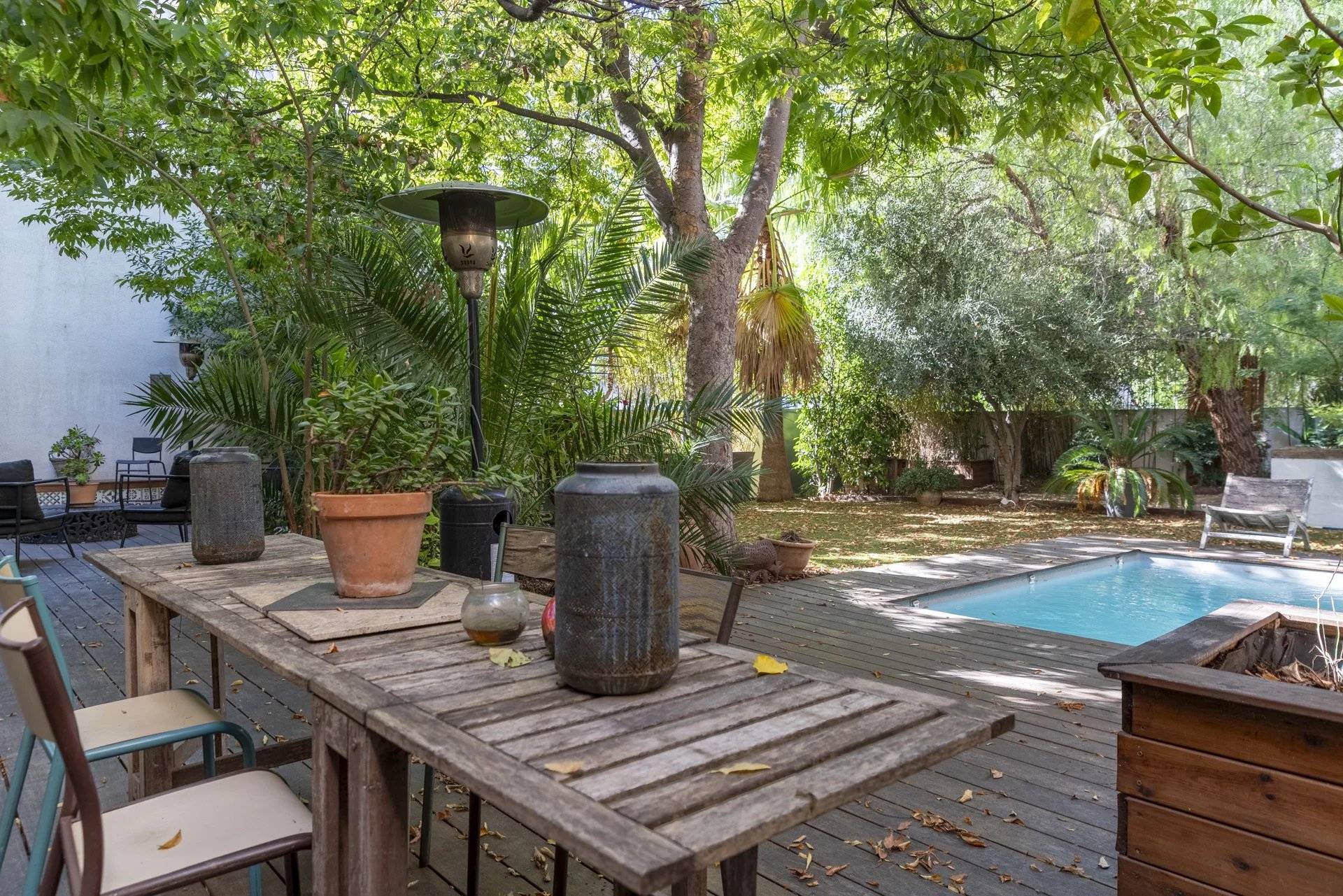
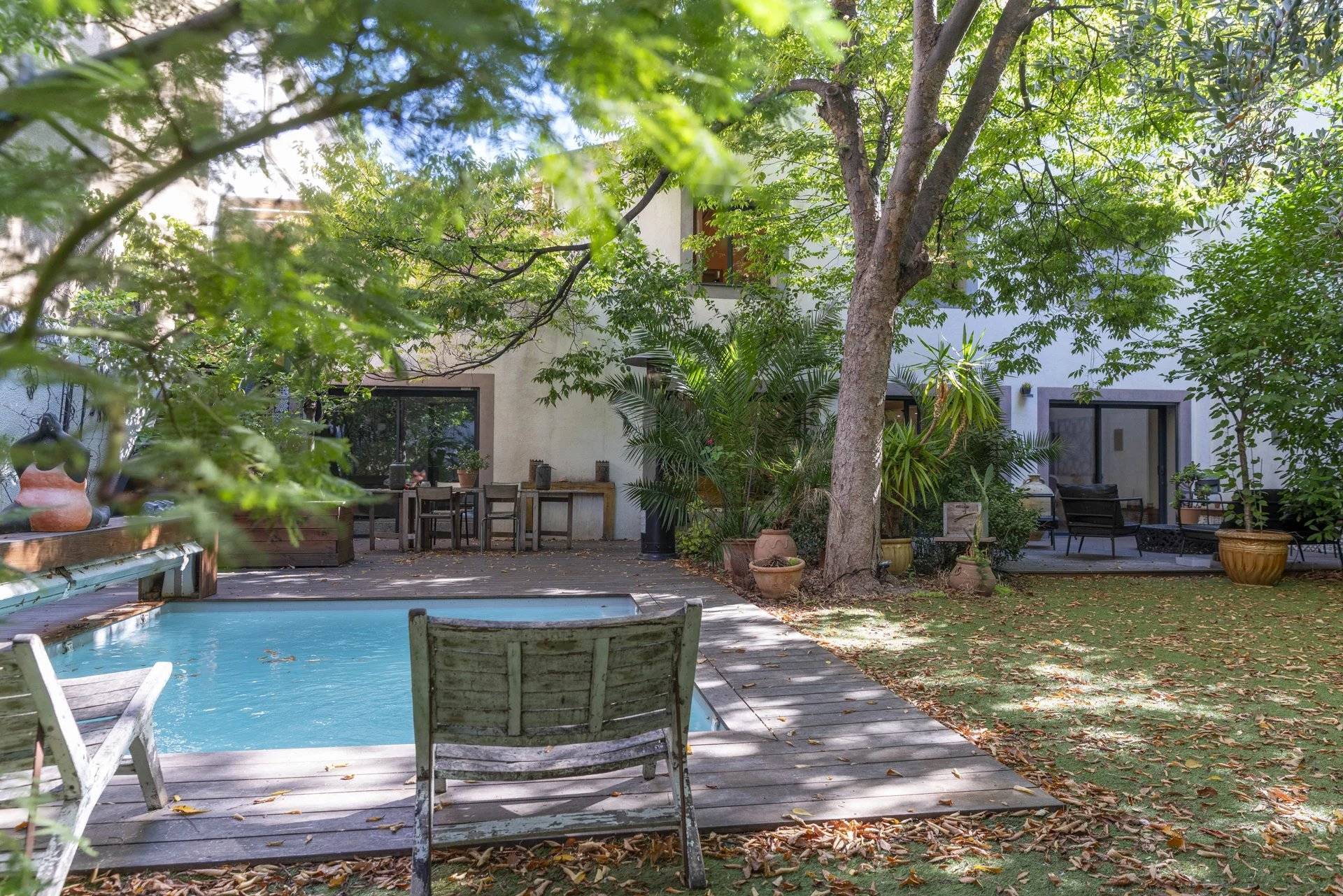
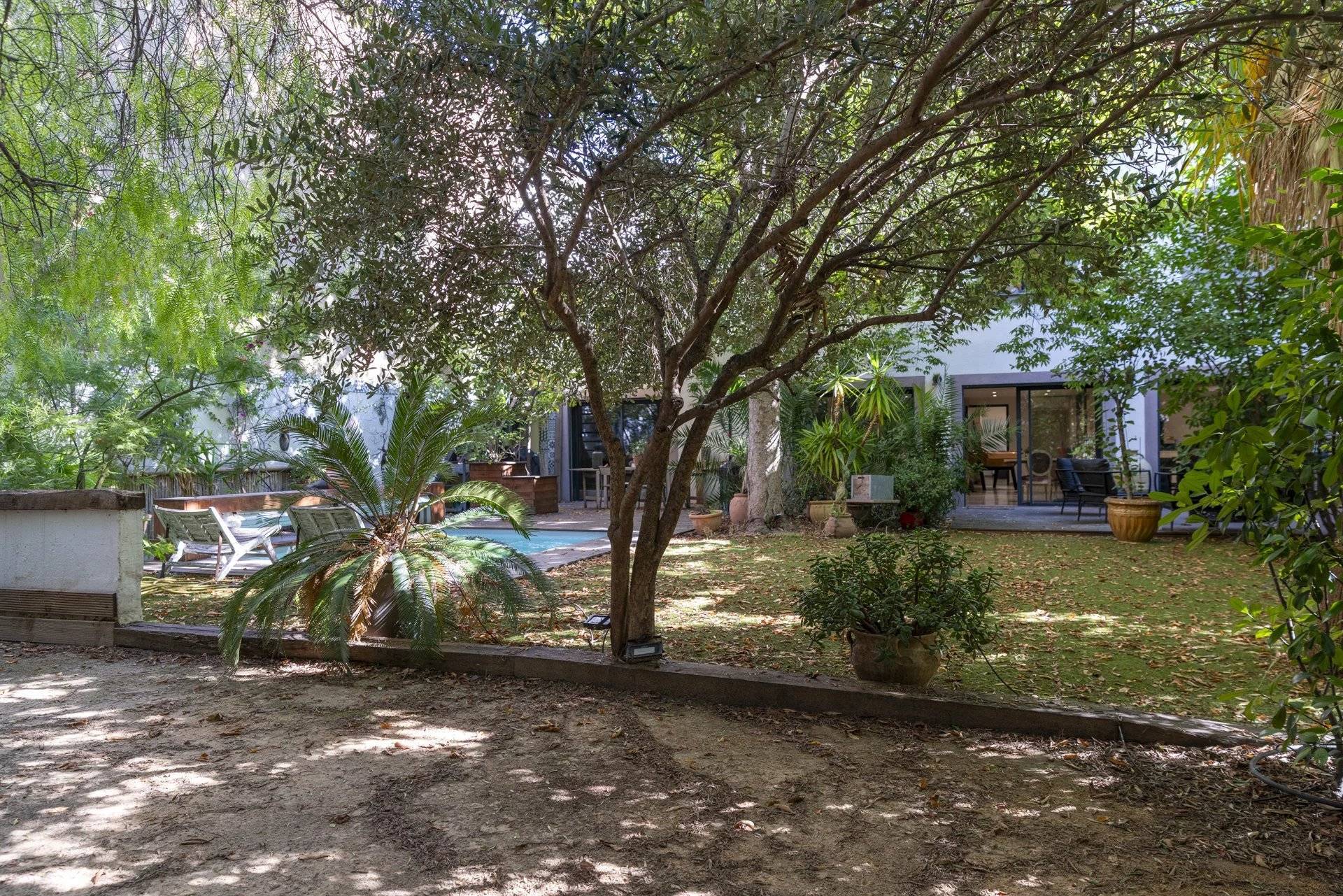
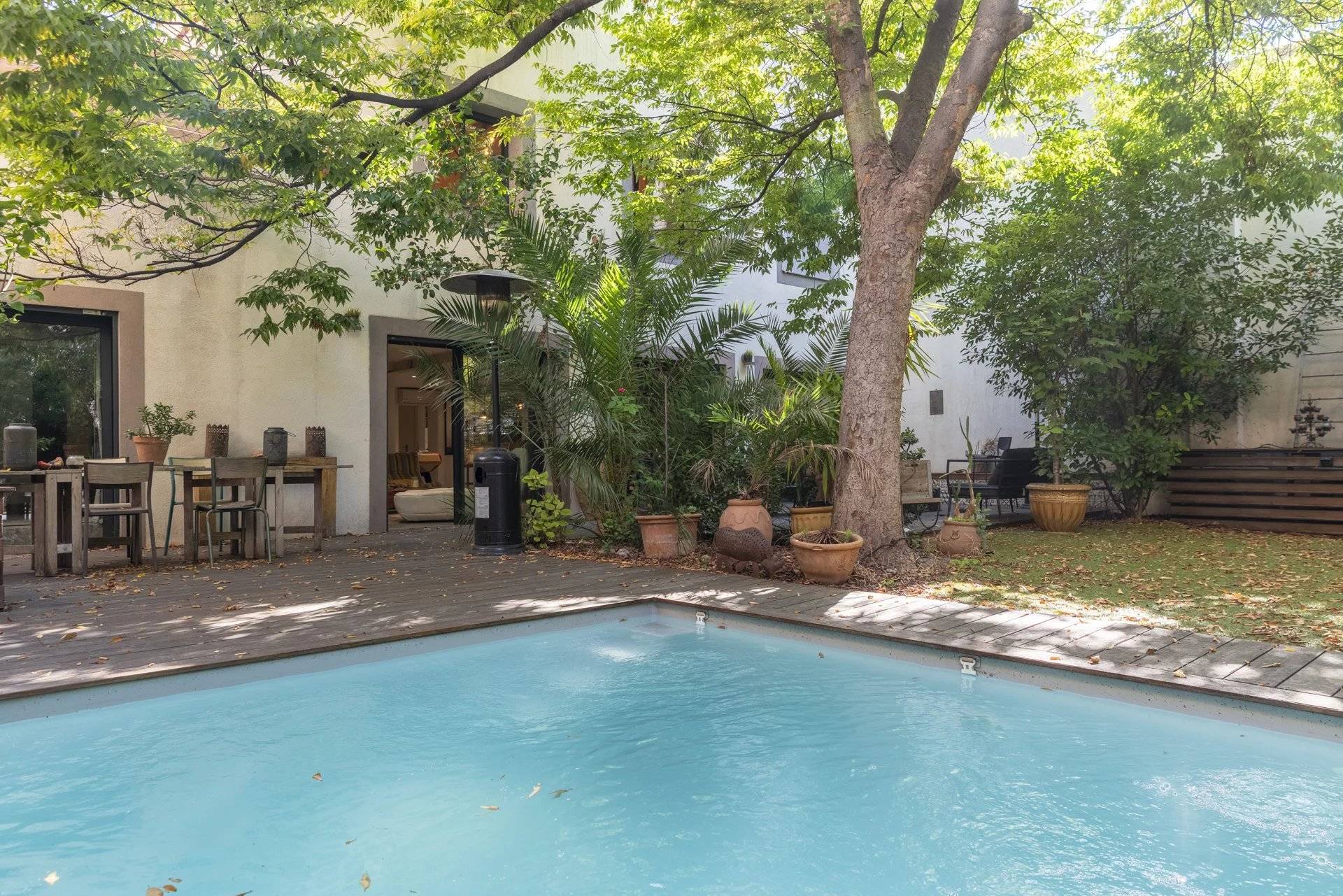
Just a few steps from Périer metro station and the Prado market, this exceptional property opens onto a lush landscaped garden of around 300 m², a true haven of peace in the heart of the city. Teak terraces, a heated swimming pool, a pétanque court and shaded lounge areas create a refined outdoor living space, perfect for relaxation or entertaining.
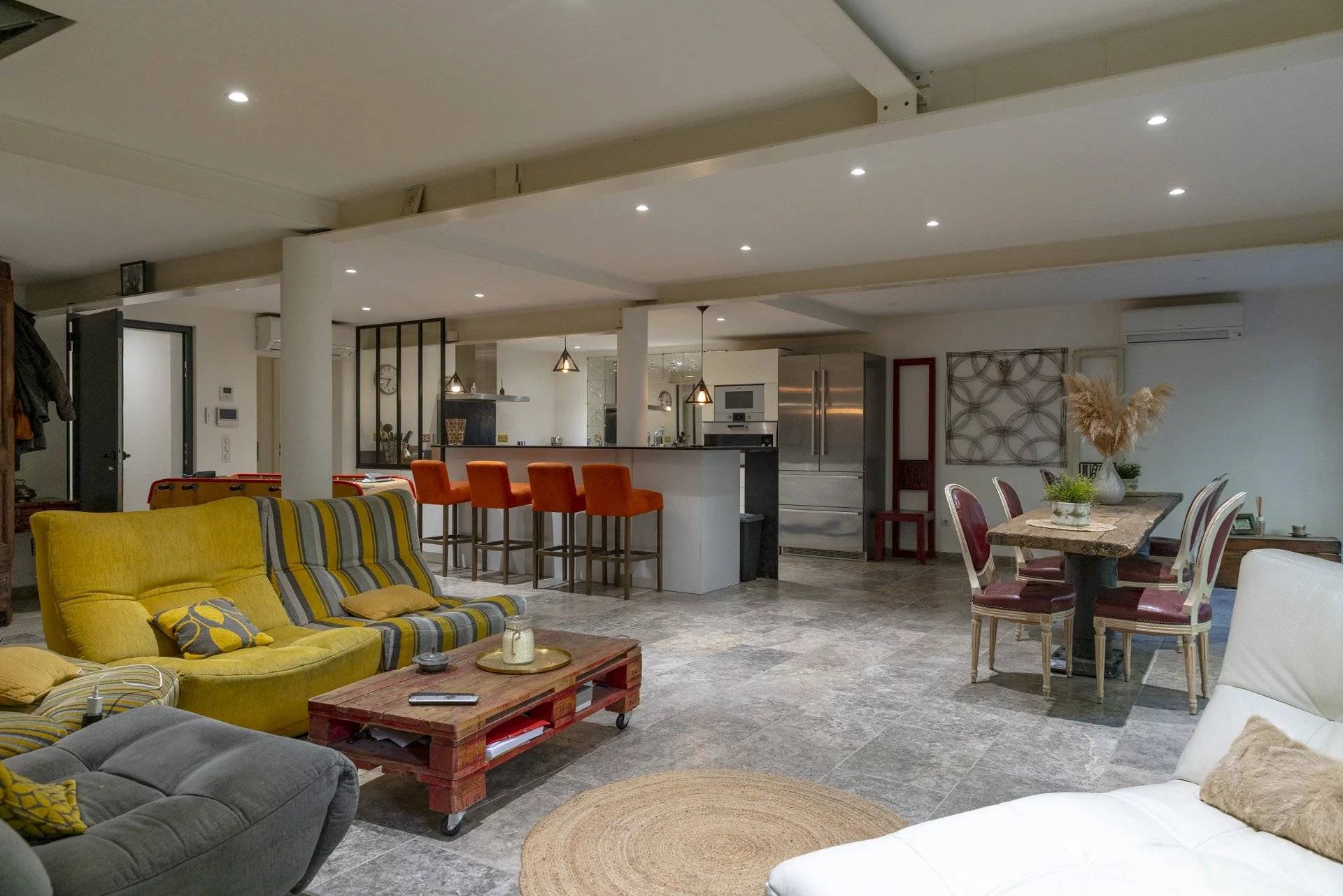
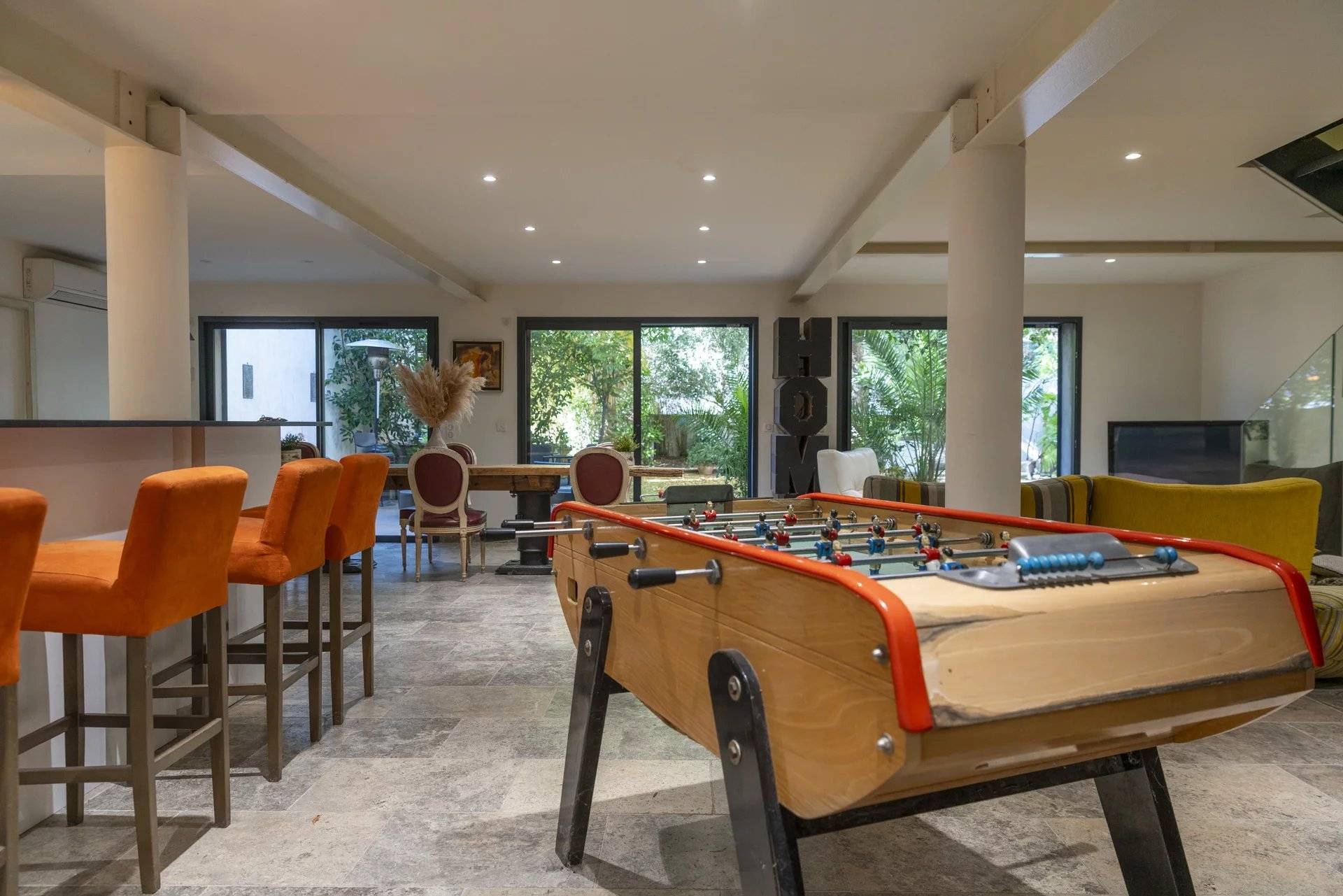
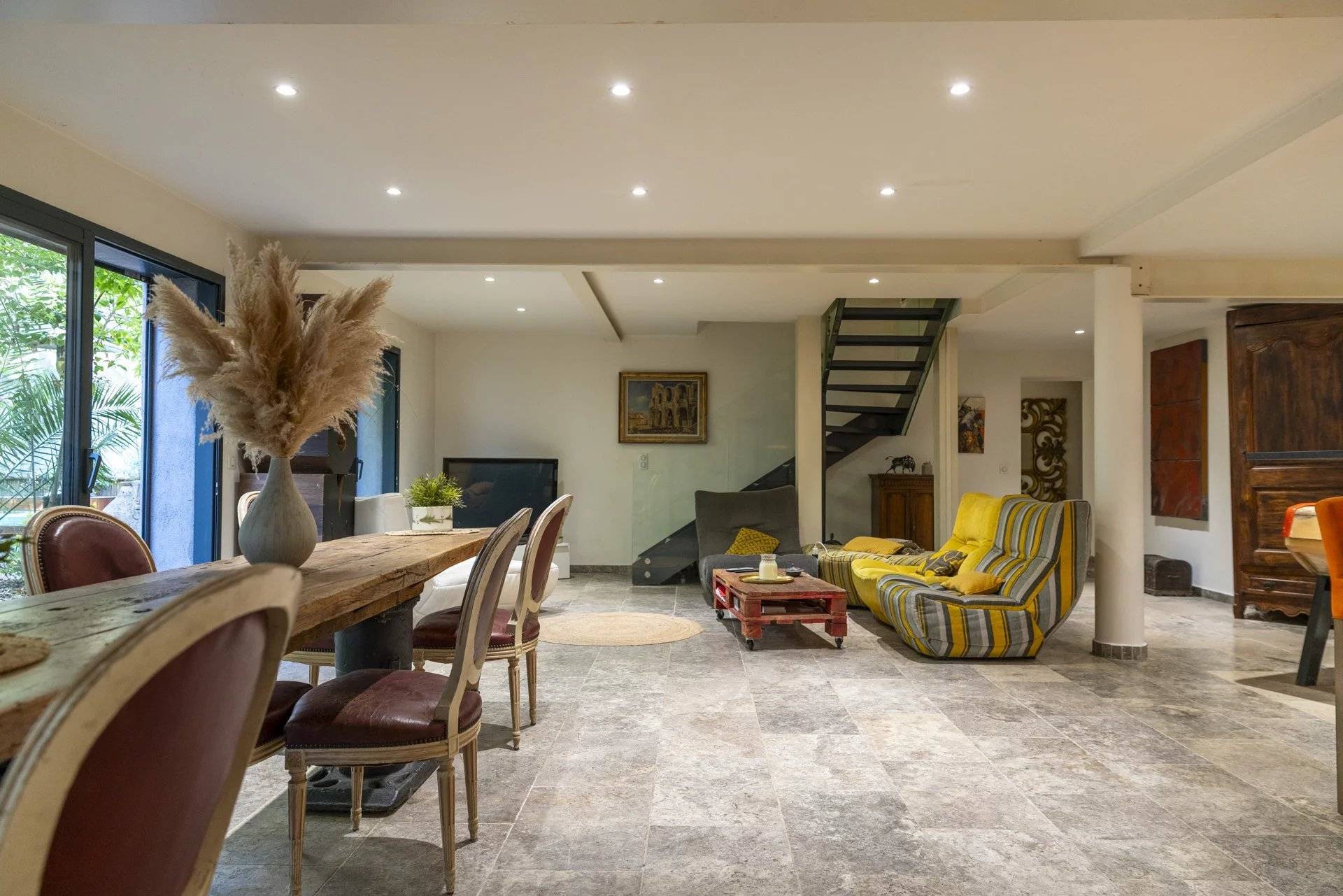
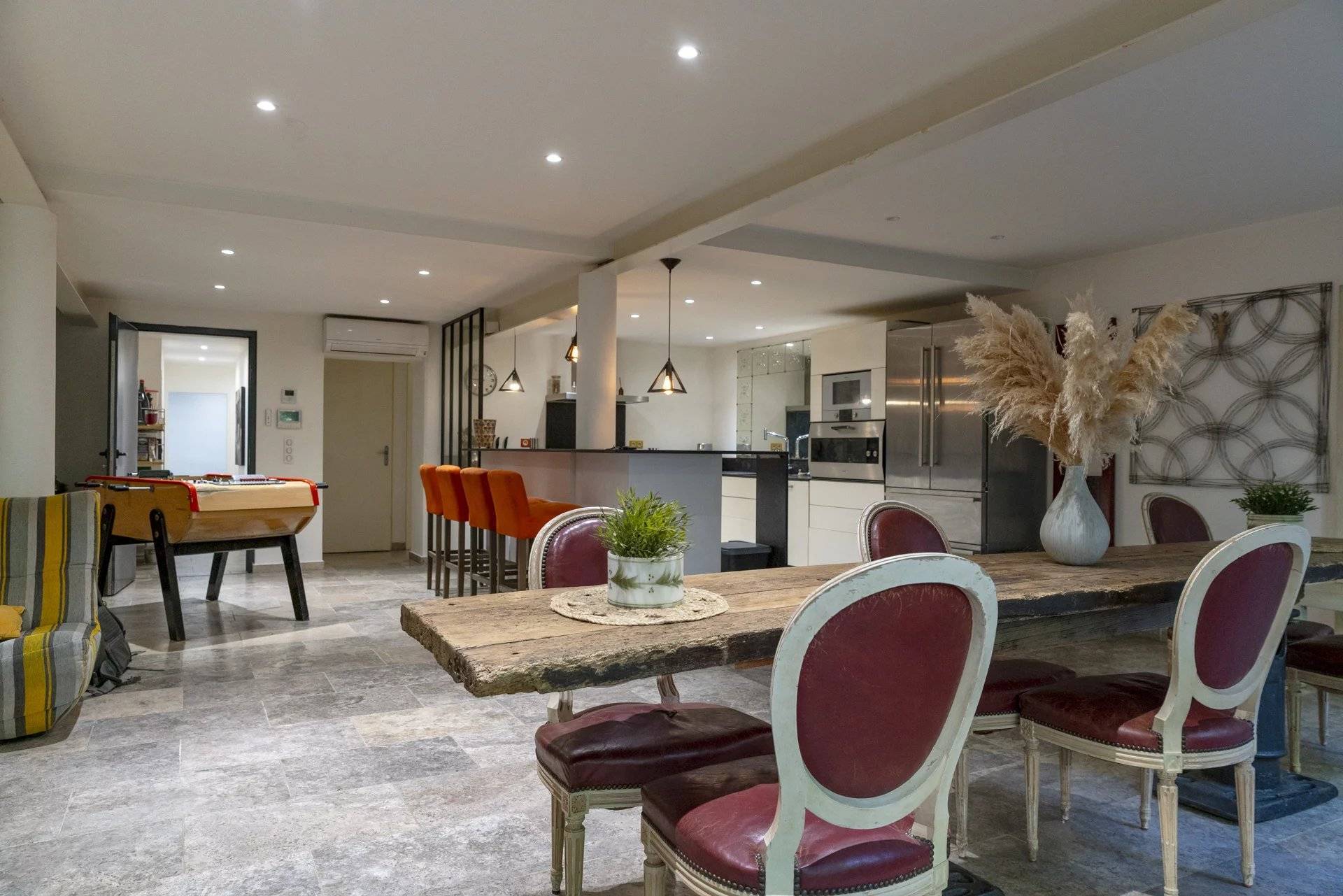
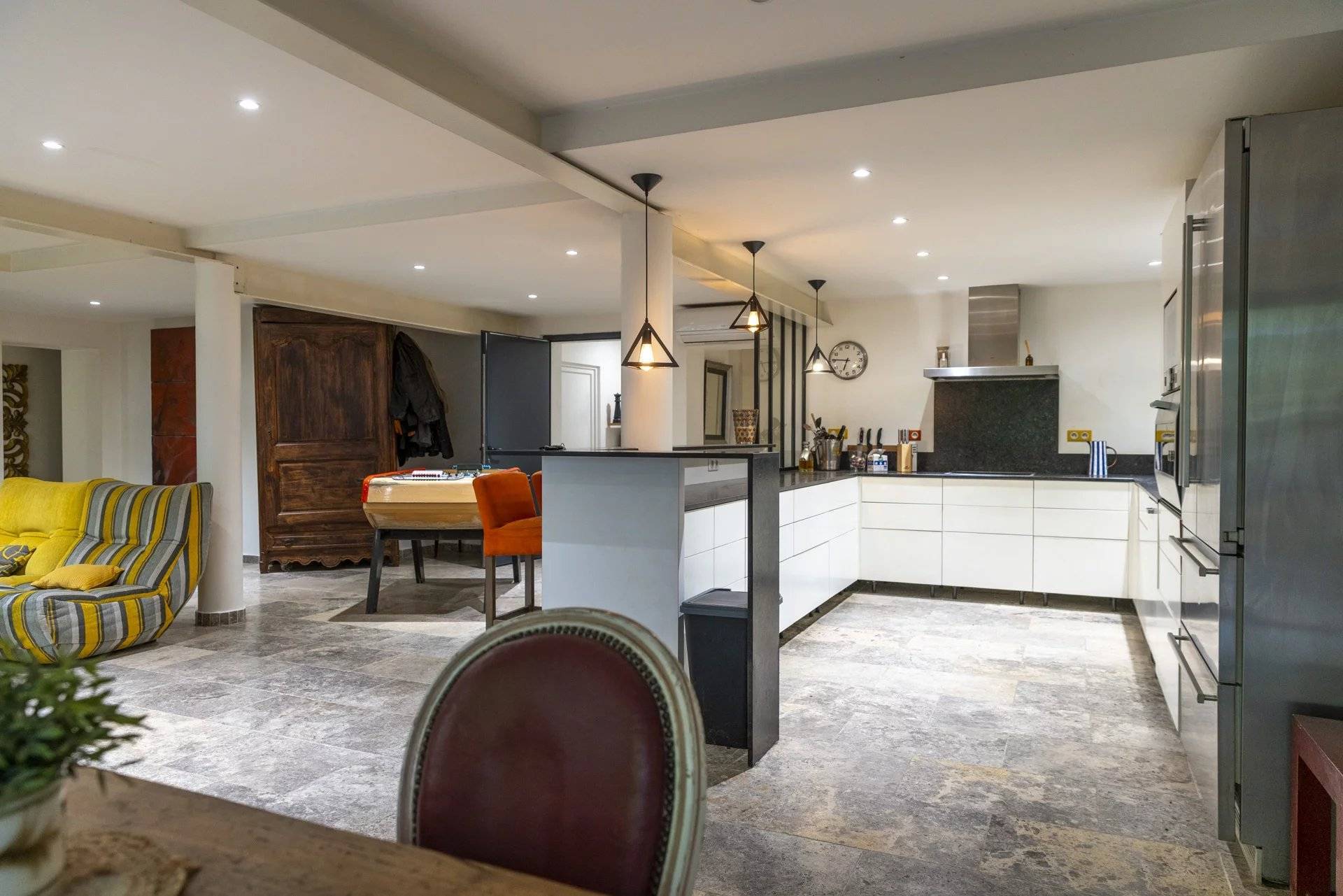
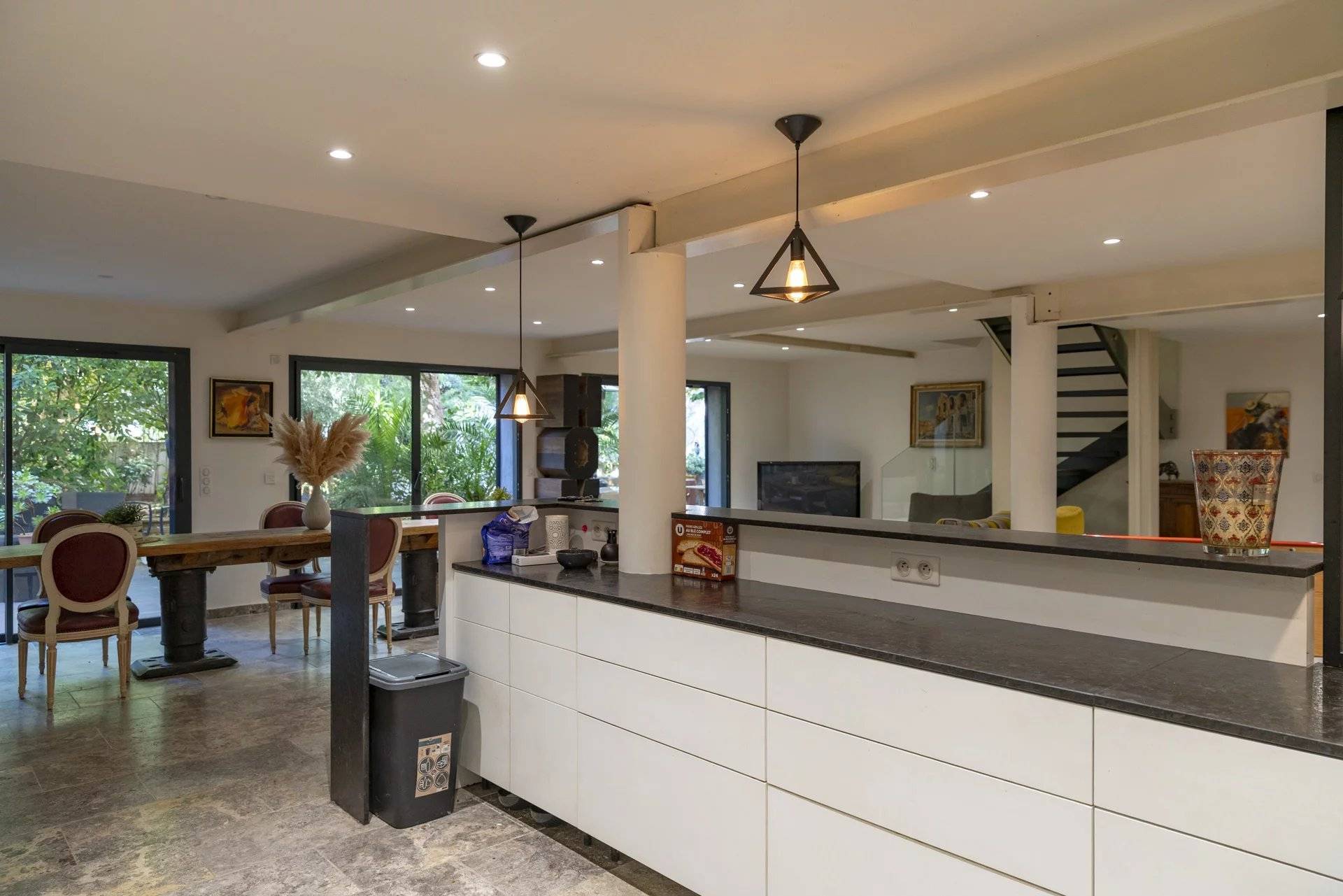
With a total surface area of approximately 180 m², the ground floor features a bright and spacious living room with wide bay windows extending seamlessly onto the garden. The open-plan kitchen, both elegant and functional, invites conviviality and family life.
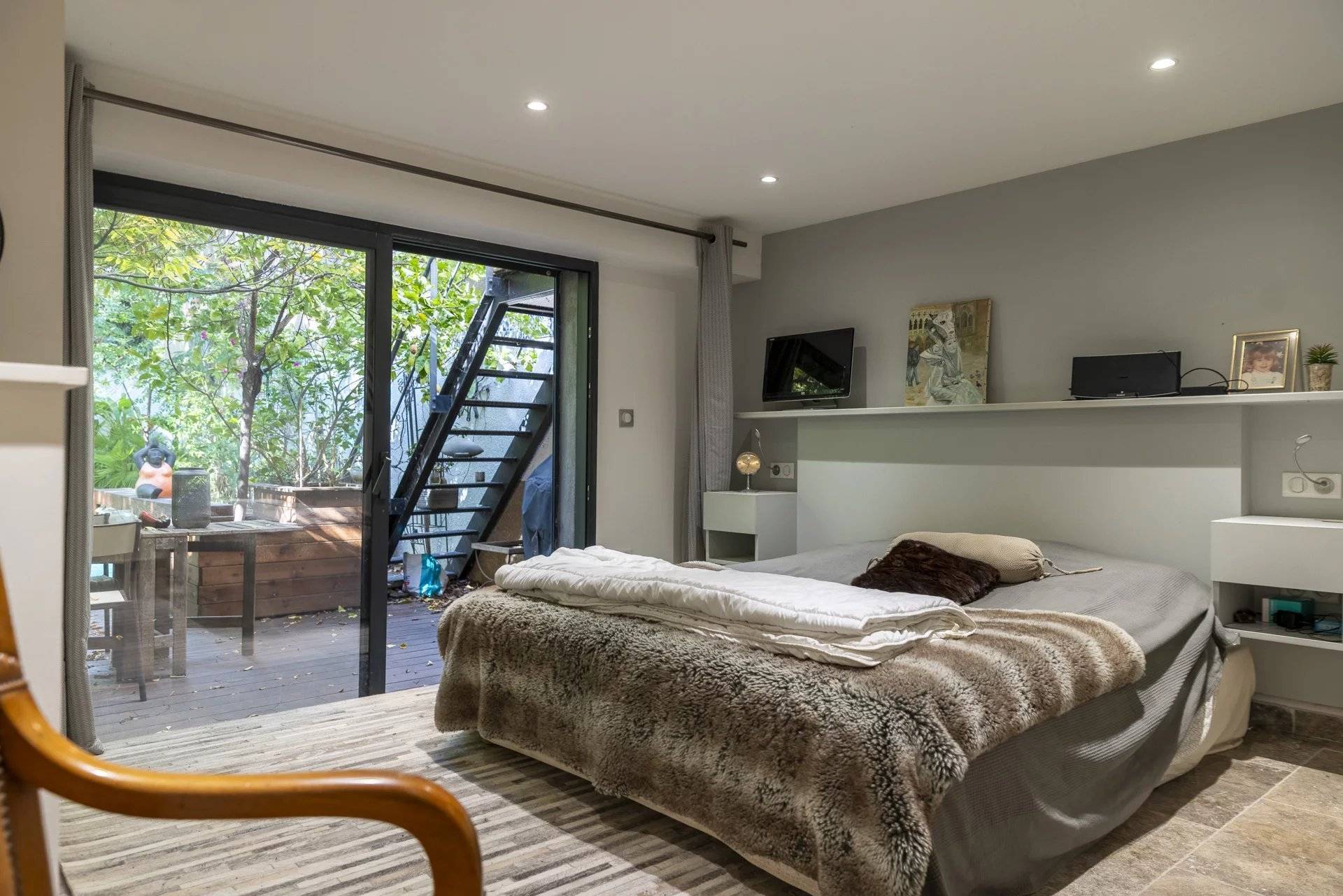
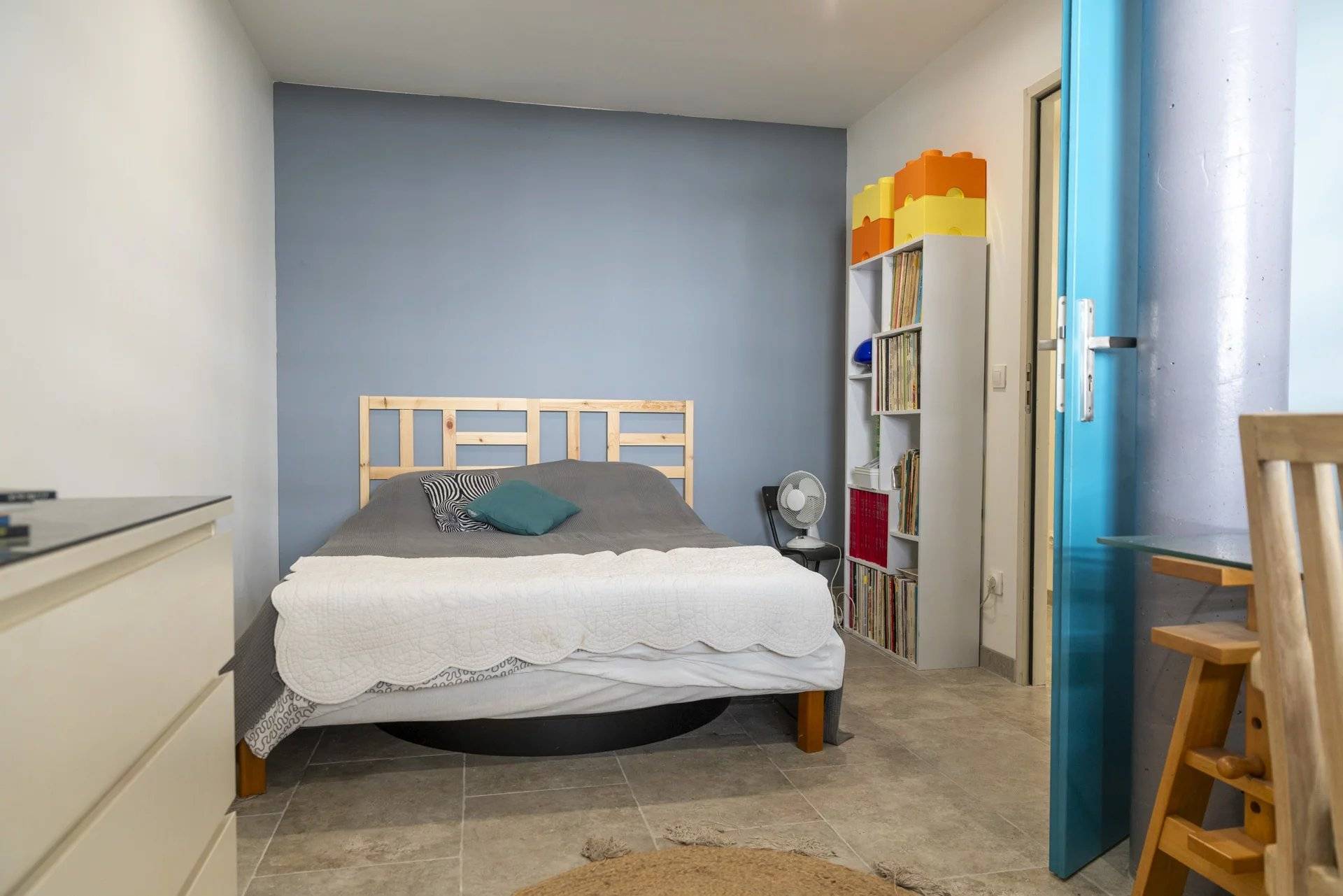
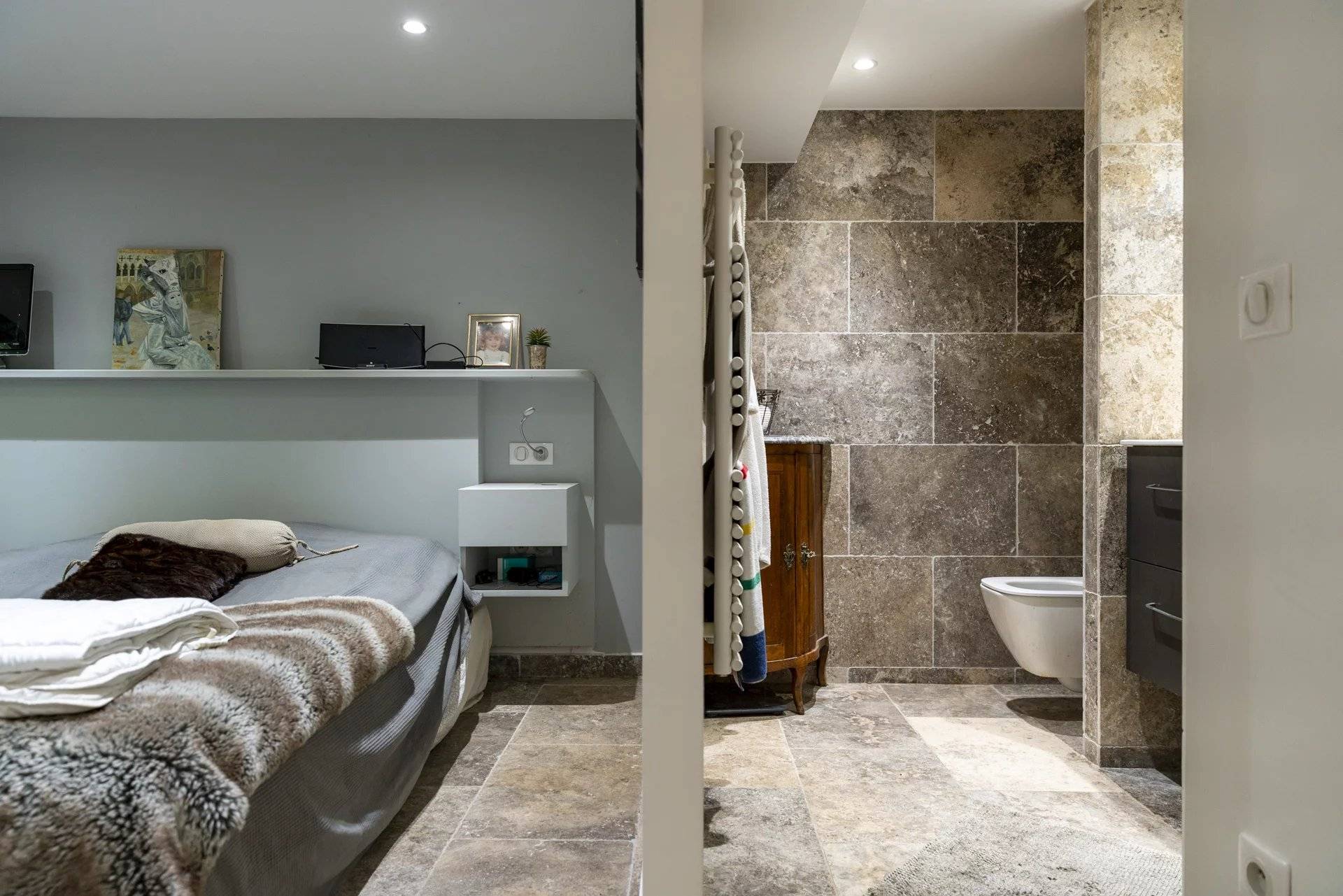
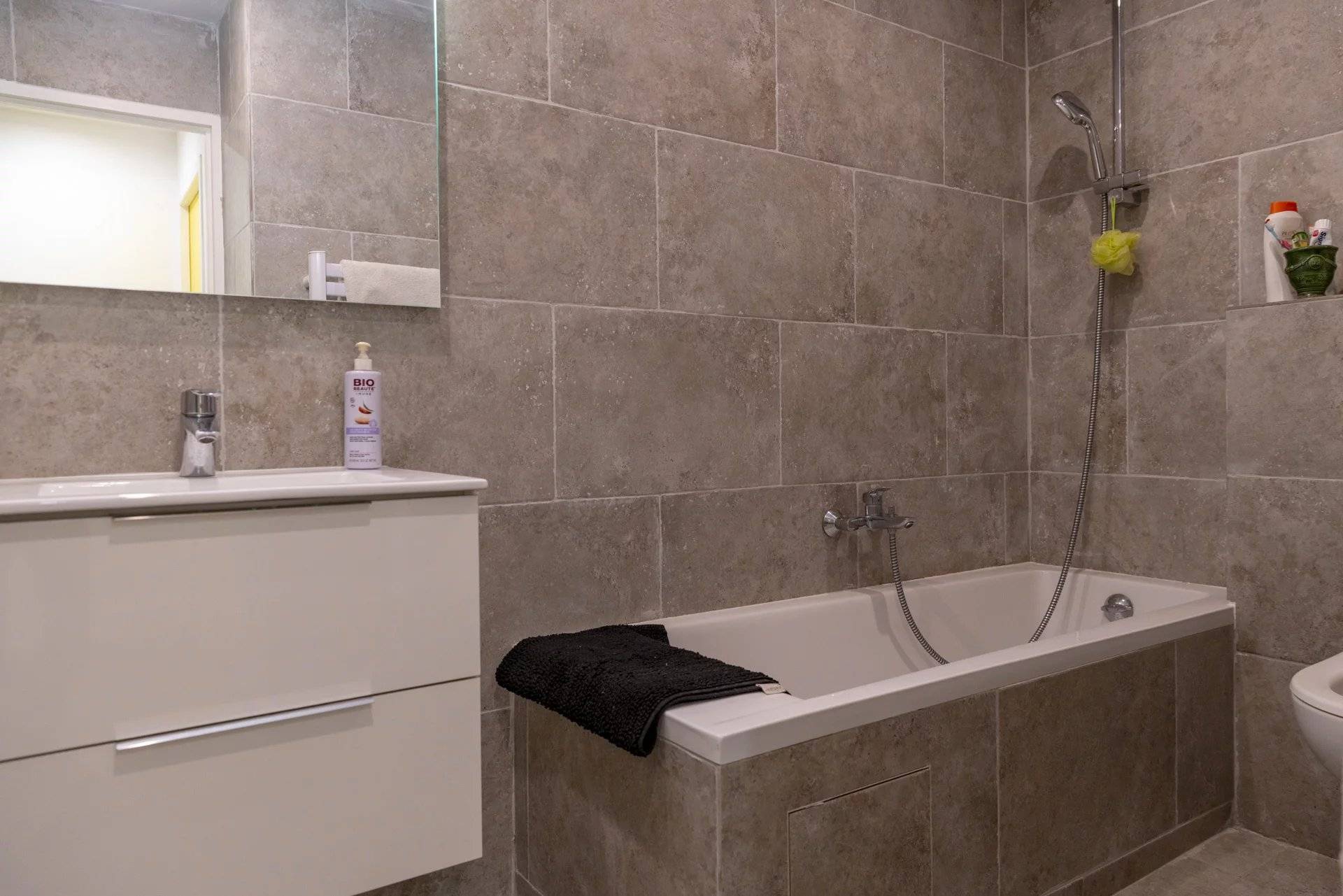
On the same level, a master suite with private bathroom and toilet, two additional bedrooms with shared shower room, a laundry room and guest toilets complete this floor.
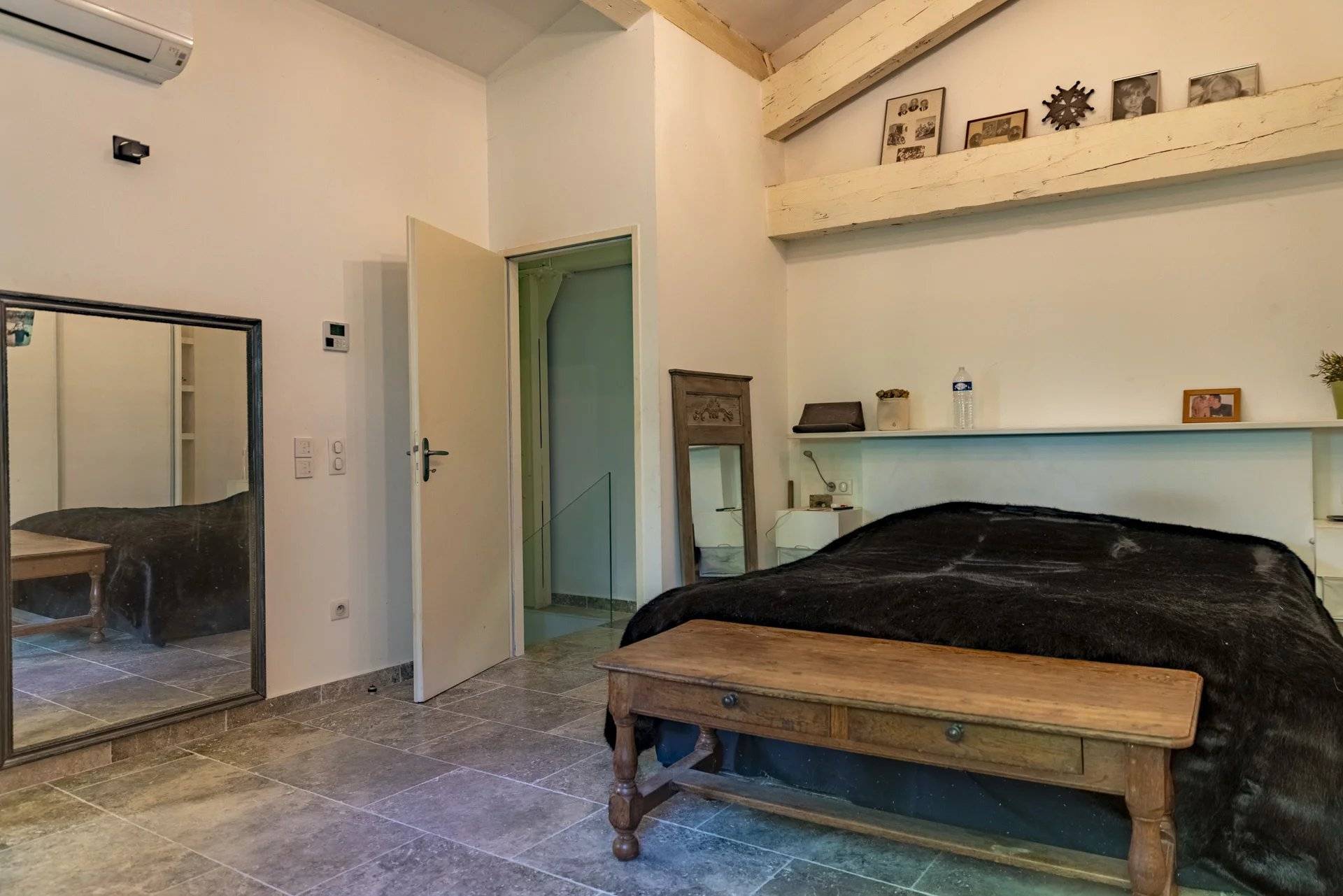
Upstairs, a 30 m² master suite overlooks the garden, offering a peaceful and intimate retreat.
An exceptionally rare feature in this area: 5 private parking spaces, a true luxury in the heart of the 8th arrondissement.
Combining refinement, discretion and Mediterranean art de vivre, this unique duplex in Marseille 8th is the ideal property for those seeking calm, comfort and sophistication just minutes from the city’s vibrant centre.
No information available


Purchasing a property in France follows a structured and legally regulated process, which protects both the buyer and the seller. Understanding each step is essential to successfully completing your project, particularly in the luxury real estate segment in Provence.
The process generally unfolds in several key phases:
For an exceptional property, the total duration of the process generally spans between 3 and 6 months depending on the complexity of the file. Being accompanied by experienced professionals — a prestige real estate agency, notary, and tax advisor — is strongly recommended to secure each step of the transaction.
Private sales account for only a minority of real estate transactions in France, and this proportion is even lower in the luxury segment. The reasons are numerous and relate as much to transaction security as to the indispensable expertise required by this highly specific market.
Working with a specialist agency such as Prior Immobilier offers several key advantages:
In summary, working with a specialist luxury real estate agency means choosing efficiency, security and access to the best opportunities on the market.
The notion of an exceptional property goes far beyond the simple criterion of price. A prestige property is distinguished by the combination of several characteristics that give it a unique value and rarity on the market.
In Provence, exceptional properties also benefit from the richness of the region's natural and cultural heritage, which adds a further dimension to their value. A bastide in the heart of the Luberon or a villa overlooking the calanques does not merely have walls: they embody a Mediterranean art de vivre that is unique in the world.
Despite the cyclical fluctuations that have affected the French property market in recent years, the luxury real estate market in the south of France has demonstrated remarkable resilience. Several structural factors explain this strength.
Over the long term, luxury real estate in the south of France retains its value and constitutes an effective hedge against monetary erosion. It is a tangible asset, rooted in an exceptional territory, that weathers economic cycles with proven resilience.
Provence offers a mosaic of exceptional territories, each with its own character, landscapes and market dynamics.
This is one of the most important questions to ask when buying a property in Provence. Non-compliance in certain properties is a common phenomenon in the south of France, explained by specific historical, cultural and regulatory reasons.
What does compliance mean in real estate? In real estate, compliance refers to the correspondence between a property and the administrative authorisations that permitted its construction or transformation. A property is compliant when all of its floor space, fittings and structures have been subject to the required permits and mandatory regulatory declarations. Non-compliance can relate to a veranda, an extension, a converted basement, a swimming pool or even an outbuilding constructed without authorisation.
Why is the phenomenon so common in Provence?
What are the risks for the buyer? A non-compliance that is not identified before purchase can engage the seller's liability and, in certain cases, lead to significant complications: obligation to restore the property to its former state, refusal of insurance, difficulties at the time of a future resale, or even an application to void the sale in the most serious cases. It is therefore essential to carry out a full legal and planning audit before signing anything.
How can non-compliance be regularised? In many cases, regularisation is possible. It can take the form of an amended building permit, a prior declaration of works, or an application for regularisation submitted to the local council. However, there are limitation periods:
- 6 years after completion of the works: no further criminal prosecution is possible
- 10 years after completion: the local council can no longer require demolition or remediation.
The construction nonetheless remains legally irregular even after these periods have elapsed. It may cause problems in the event of a sale, an insurance claim or a new planning application. The limitation periods only begin from the date of completion of the works. Specific rules may apply in protected zones.
Without regularisation, the non-compliance persists over time.
In such cases, administrative regularisation is no longer possible, but criminal liability is extinguished. A notary or a solicitor specialising in planning law will be able to advise you on the most appropriate strategy for each situation.
At Prior Immobilier, we pay particular attention to this aspect in every transaction, in order to guarantee you a smooth and secure purchase.
Sanitation is a technical point that is often overlooked by buyers, yet absolutely crucial when acquiring a property in Provence, particularly for houses located outside densely populated urban areas.
Two systems coexist in Provence:
What are the most common non-collective sanitation systems?
This site is protected by reCAPTCHA and the Google Privacy Policy and Terms of Service apply.